The grand symbol of the Barcelona 1992 Games
Barcelona Olympic Stadium: Tour and Olympic Museum
The Lluís Companys Olympic Stadium is one of the iconic landmarks of Montjuïc. Built for the 1929 International Exposition and completely renovated for the 1992 Olympic Games, it hosted the opening and closing ceremonies as well as the athletics competitions. Right next door, the Joan Antoni Samaranch Olympic and Sports Museum extends the visit by tracing the history of the Games, sports, and Barcelona 1992.
Discover the Lluís Companys Olympic Stadium and complete your visit with the Joan Antoni Samaranch Olympic Museum, in the heart of Montjuïc.
- Barcelona 1992
- Stadium accessible for free depending on events
- Olympic museum nearby
- Montjuïc

At a Glance
The Olympic Stadium and Olympic Museum at a Glance
| Stadium Name | Estadi Olímpic Lluís Companys |
|---|---|
| Type | Olympic Stadium and Event Facilities |
| Neighborhood | Montjuïc |
| Stadium Address | Passeig Olímpic, 17-19 |
| Inauguration | 1929 |
| Major Renovation | 1992 Olympic Games |
| Capacity | Approximately 55,000 spectators |
| Stadium Tour | Free access to the visitor area depending on the events |
| Stadium Hours | April-October: 10 AM-7 PM / November-March: 10 AM-5 PM |
| Museum | Museu Olímpic i de l’Esport Joan Antoni Samaranch |
| Museum Address | Avinguda de l’Estadi, 60 |
| Recommended Duration | 1h30 to 2h for stadium + museum |
| Metro | L1 L3 Espanya then bus or walk up |
| Good to Know | Access to the stadium may be restricted on event days |
The stadium's visiting hours may change depending on concerts, competitions, and technical requirements.
Not to be missed
What to See Around the Olympic Stadium?
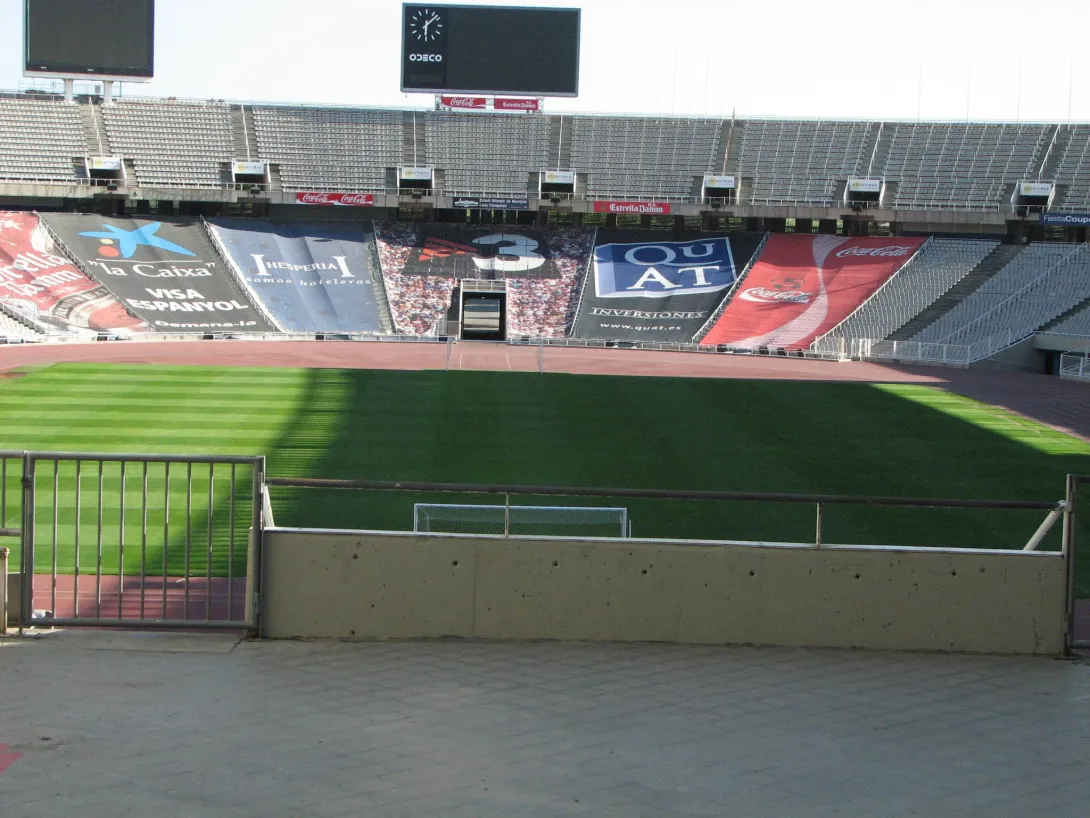
© IonutDragu, CC BY-SA 3.0, via Wikimedia Commons
The Track and the Stands
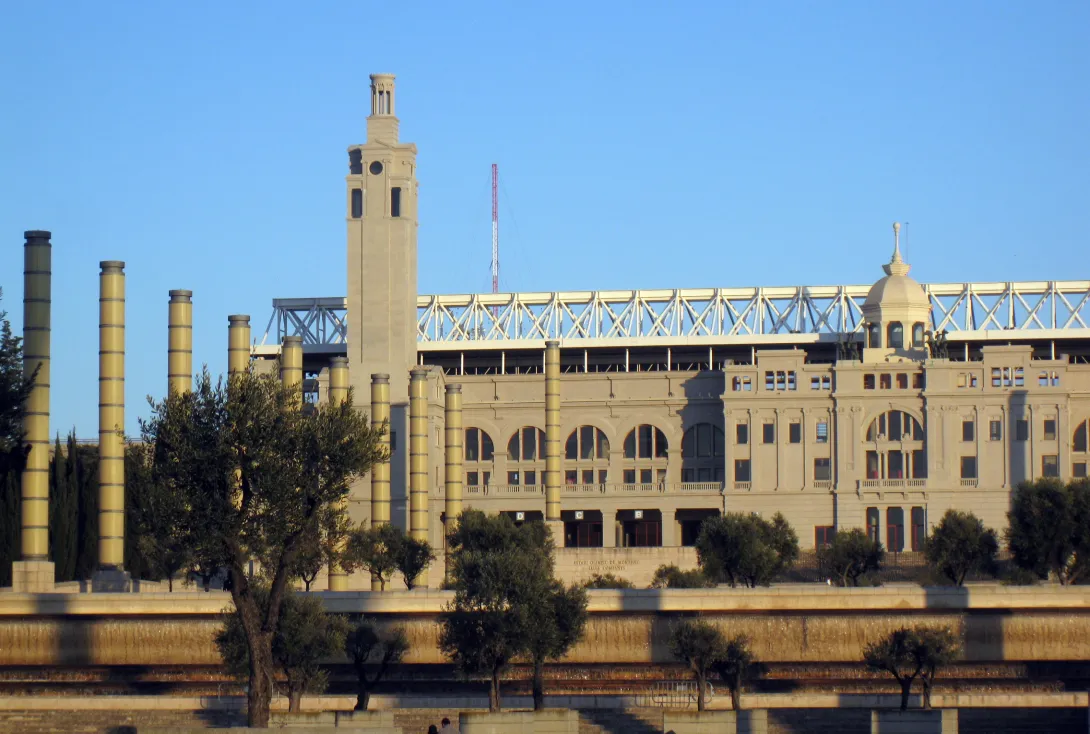
© Enfo, CC BY-SA 3.0, via Wikimedia Commons
The Historic Façade
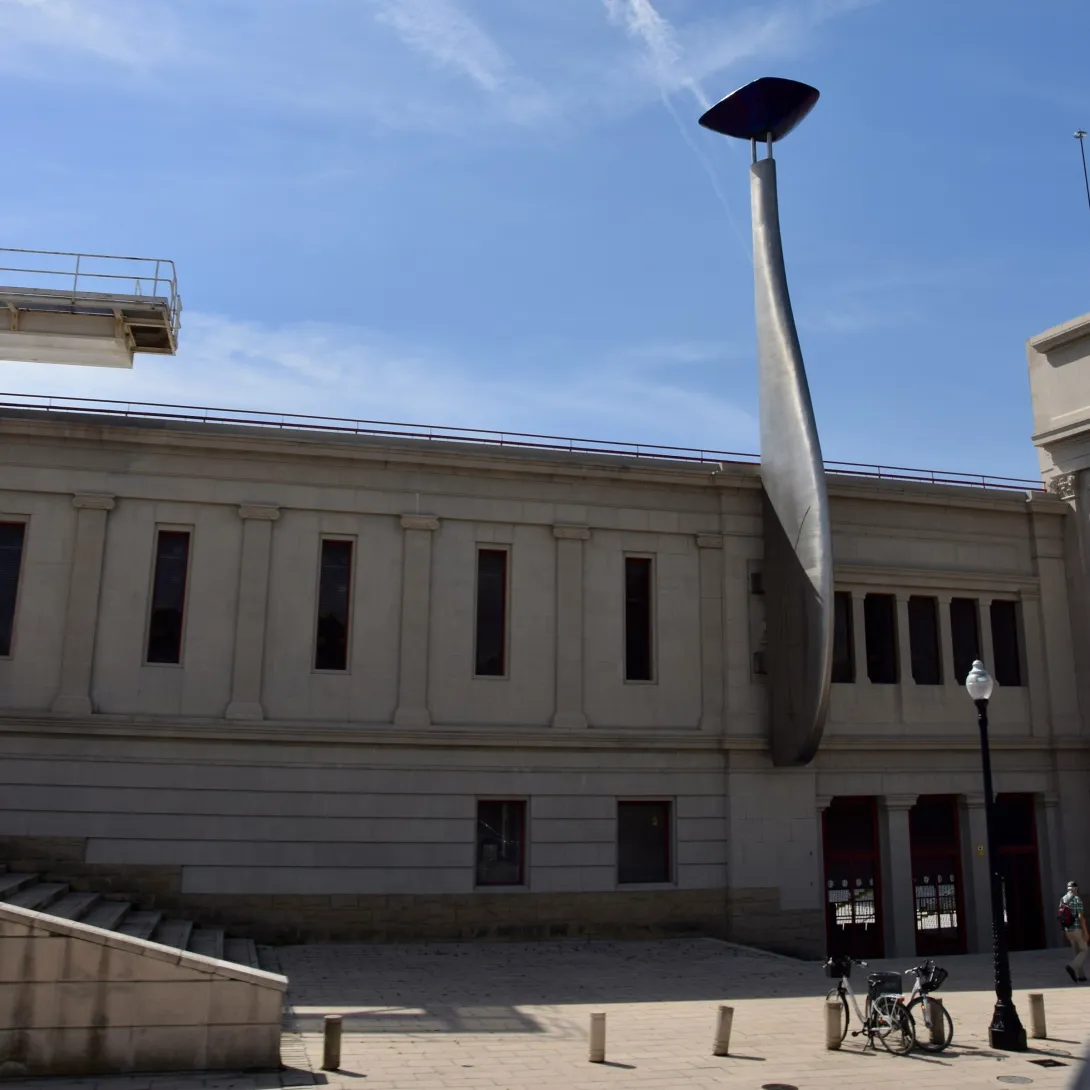
© Ank Kumar, CC BY-SA 4.0, via Wikimedia Commons
The Olympic Cauldron
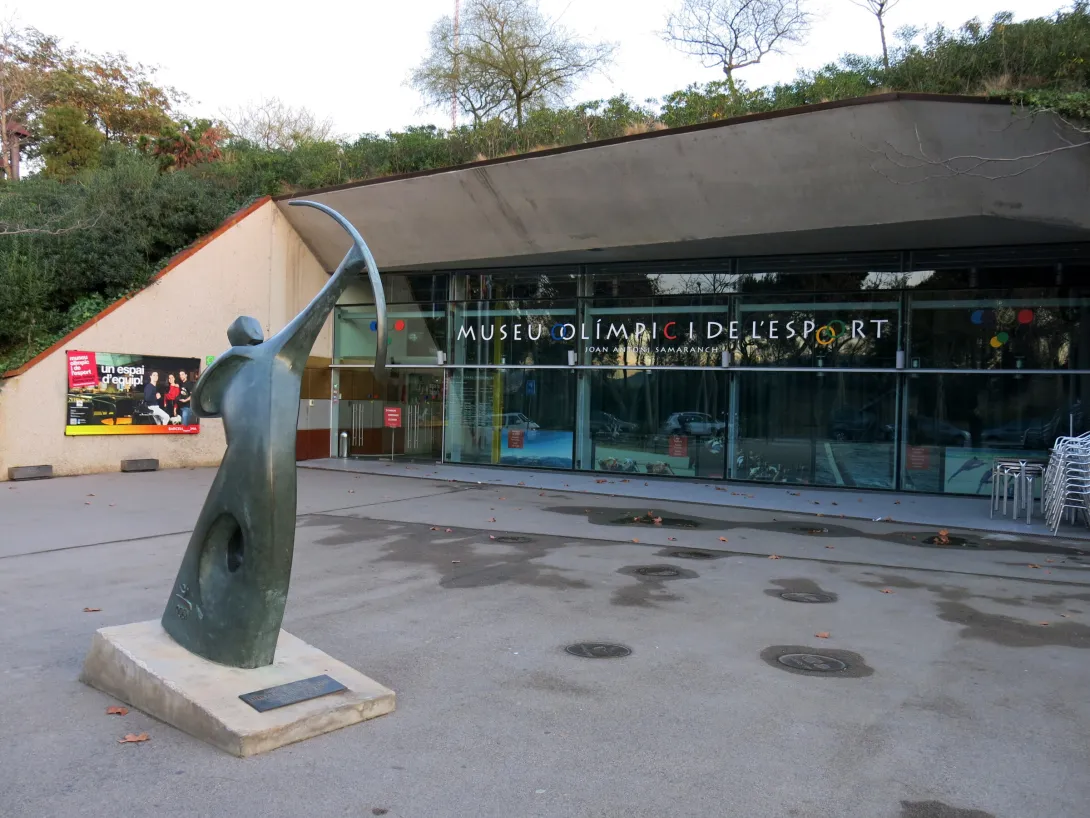
© Enric, CC BY-SA 4.0, via Wikimedia Commons
The Olympic Museum
Do both: the stadium can be explored quickly and for free, while the museum provides all the history that is inevitably missing when you simply look at the stands.
Allow about fifteen minutes for the stadium and approximately an hour for the museum.
Visit the stadium
Can you enter the Olympic Stadium in Barcelona?
Yes. A free visit zone usually allows entry into the Olympic Stadium and offers a view of the interior from the stands.
From April 1 to October 31, it is typically open from 10 AM to 7 PM; from November 1 to March 31, from 10 AM to 5 PM. Access may be interrupted before or during major events.
At the entrance, you can also see the Olympic cauldron, the Marathon Gate, and the two equestrian sculptures by Pau Gargallo.
Enhance Your Visit
The Joan Antoni Samaranch Olympic and Sports Museum
Located right next to the stadium, the Joan Antoni Samaranch Olympic and Sports Museum tells the story of the Olympic Games, major sports disciplines, and the 1992 Barcelona Games.
The visit combines historical objects, sports equipment, documents, videos, and interactive devices. The museum also features temporary exhibitions related to sports and major sporting events.
Olympic Museum Hours
- October to March: Tuesday to Saturday from 10 AM to 6 PM
- April to September: Tuesday to Saturday from 10 AM to 7 PM
- Sunday and holidays: from 10 AM to 2:30 PM
- Closed on Monday
The official adult rate is currently €6.30, and admission is free for children up to 7 years old when accompanied.
Tickets
Tickets for the Olympic Museum of Barcelona

Barcelona Olympic and Sports Museum
Discover the history of the Olympic Games and sports, with a significant focus on Barcelona 1992.
From 1929 to 1992
The History of the Olympic Stadium of Barcelona
The Olympic Stadium was designed by Pere Domènech i Roura and inaugurated in 1929 for the Barcelona International Exposition.
After several decades of use followed by decline, it underwent a major transformation when Barcelona was awarded the 1992 Olympic Games. The historic facades were preserved, while the stands and interior facilities were completely rebuilt.
The stadium notably hosted the opening and closing ceremonies, athletics events, and several major moments of the Olympic and Paralympic Games.
Since then, it remains a prominent venue for sports, concerts, and international events.
Olympic Heritage
The Montjuïc Olympic Ring
The Olympic Stadium is the heart of the Anella Olímpica, the large sports complex developed for the 1992 Games.
Just a few steps away are the Palau Sant Jordi, the Calatrava Tower, the Olympic Museum, and the expansive esplanades of Montjuïc.
This is one of the most fascinating areas on the hill to understand how the Olympic Games transformed Barcelona.
About Montjuïc
The Olympic Stadium at the Heart of Montjuïc
The stadium is located on the upper part of Montjuïc, near the Palau Sant Jordi, the Calatrava Tower, the Botanical Garden, and several major museums.
Further down the hill, you can continue to the MNAC, the Joan Miró Foundation, or the Mies van der Rohe Pavilion.

Things to See Nearby
What Other Monuments to Visit?
To continue your exploration of the city, check out our selection of Barcelona's monuments, from Gaudí's great masterpieces to Gothic, Modernist, and Olympic monuments.

© Vanbasten 23, CC BY-SA 4.0, via Wikimedia Commons
The Palau Sant Jordi
The Palau Sant Jordi is the main concert and event hall of the Anella Olímpica, designed by Japanese architect Arata Isozaki.

© Txllxt TxllxT, CC BY-SA 4.0, via Wikimedia Commons
The Calatrava Tower
The Calatrava Tower is one of the most recognizable symbols of the 1992 Games with its leaning white silhouette.

© Barcelona.com
The Mies van der Rohe Pavilion
Lower down on Montjuïc, the Mies van der Rohe Pavilion is one of the great masterpieces of modern architecture.
FAQ
FAQ: Olympic Stadium of Barcelona
Yes. A visitor area at the Olympic Stadium is accessible for free when the event schedule allows.
The visitor area is generally open from 10 AM to 7 PM from April to October and from 10 AM to 5 PM from November to March. Hours may change in case of an event.
No. The Olympic and Sports Museum Joan Antoni Samaranch is located right next to the stadium, Avinguda de l’Estadi 60.
Yes. The Stadium Olímpic Lluís Companys regularly hosts major concerts and international tours. On event days, access to the stadium is reserved for ticket holders, and visiting conditions may be altered.
Plan for about 1h30 to quickly see the stadium and then leisurely visit the Olympic Museum.