A lesson in modern architecture
Barcelona Pavilion by Mies van der Rohe: Tickets, Opening Hours, and Visit
The Barcelona Pavilion, also known as the Mies van der Rohe Pavilion, is one of the great monuments of modern architecture in Barcelona. Designed for the 1929 International Exposition, it can be visited today in Montjuïc, near the MNAC, CaixaForum, and Poble Espanyol.
A masterpiece of modern architecture to explore in Montjuïc, featuring clean lines, noble materials, pools, and design.
- Modern architecture
- Iconic design
- 30 to 45 min tour

Mies van der Rohe Pavilion Tickets
Book Your Tickets for the Mies van der Rohe Pavilion
Choose the skip-the-line ticket to freely explore the Pavilion, the photo workshop for a unique family visit, or the annual pass if you wish to return and enjoy activities throughout the year.

The easiest way
Mies van der Rohe Pavilion: Skip-the-line Ticket
To discover this modern masterpiece
- Skip-the-line entry to the Pavilion
- Garden access
- Specialized bookstore
- Smartphone ticket

Family-friendly
Pavilion + Family Photo Workshop
See architecture from a different perspective
- Entry to the Pavilion
- 1.5-hour photo workshop
- Necessary equipment included
- Guided activity in Catalan

To return
Mies van der Rohe Pavilion Annual Pass
Access to the Pavilion for one year
- 12-month access
- Access to activities
- Up to 15% at the shop
- 5 free tickets for your guests
At a Glance
The Barcelona Pavilion at a Glance
| Monument | Barcelona Pavilion |
|---|---|
| Other name | Mies van der Rohe Pavilion |
| Architects | Ludwig Mies van der Rohe and Lilly Reich |
| Address | Avinguda Francesc Ferrer i Guàrdia, 7, 08038 Barcelona |
| Neighborhood | Montjuïc |
| Metro | L1L3 Espanya |
| Date of Origin | 1929 |
| Reconstruction | 1983-1986 |
| Official Site | |
| Price | Paid ticket, reduced rate available |
| Tour Type | Self-guided tour with audio guide |
| Recommended Duration | Approximately 30 to 45 minutes |
| Must-See | Architecture, pools, marble, onyx, Barcelona chair, sculpture by Georg Kolbe |
| Best Time | Weekday mornings |
Source: miesbcn.com · Information to verify before visiting.
Great Tip
A Short Visit to Montjuïc
The Barcelona Pavilion is a short, peaceful visit that's easy to fit into a day at Montjuïc. It's a great stop if you love architecture and design, or if you're looking for a spot less crowded than Gaudí's major landmarks. Take the opportunity to explore other major sites in Montjuïc located nearby, as listed below.

For Art
MNAC

For Architecture
CaixaForum Barcelona

For the stroll
Poble Espanyol

For the evening
Magic Fountain of Montjuïc
What to See
The Visit in Detail
The Barcelona Pavilion can be visited in a short time, but every detail matters: lines, reflections, materials, furniture, and pools make up the experience.
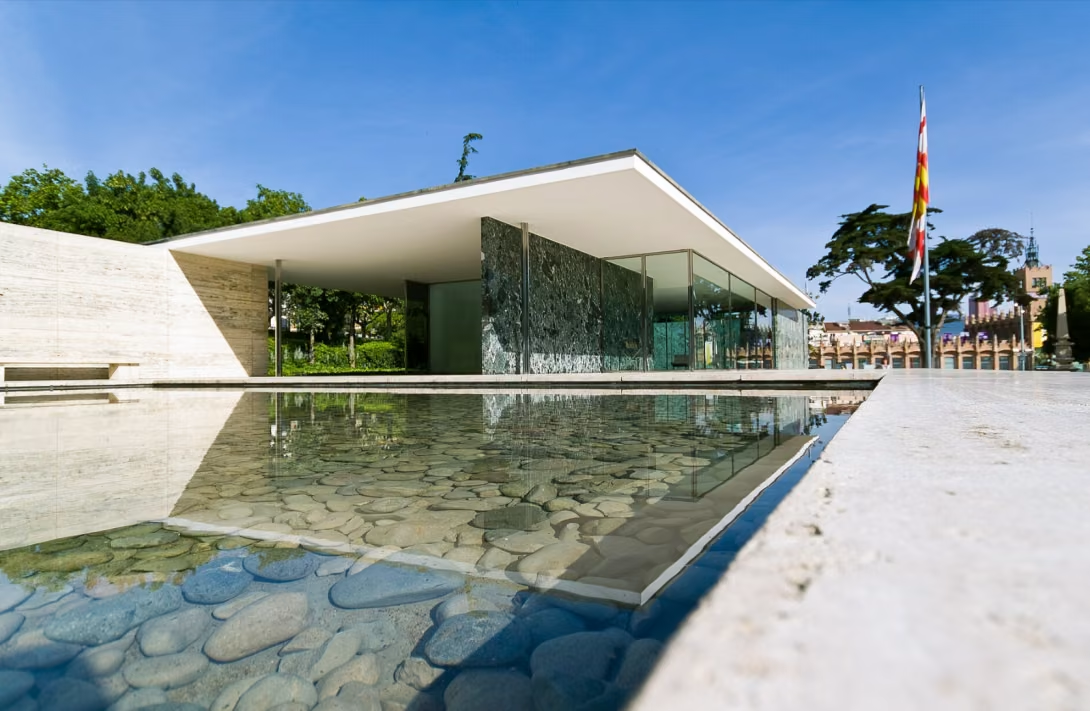
© Barcelona.com
The Building
Designed for the 1929 International Exposition, the Pavilion was not a house but a place of representation. Its open plan intentionally blurs the boundaries between interior and exterior.
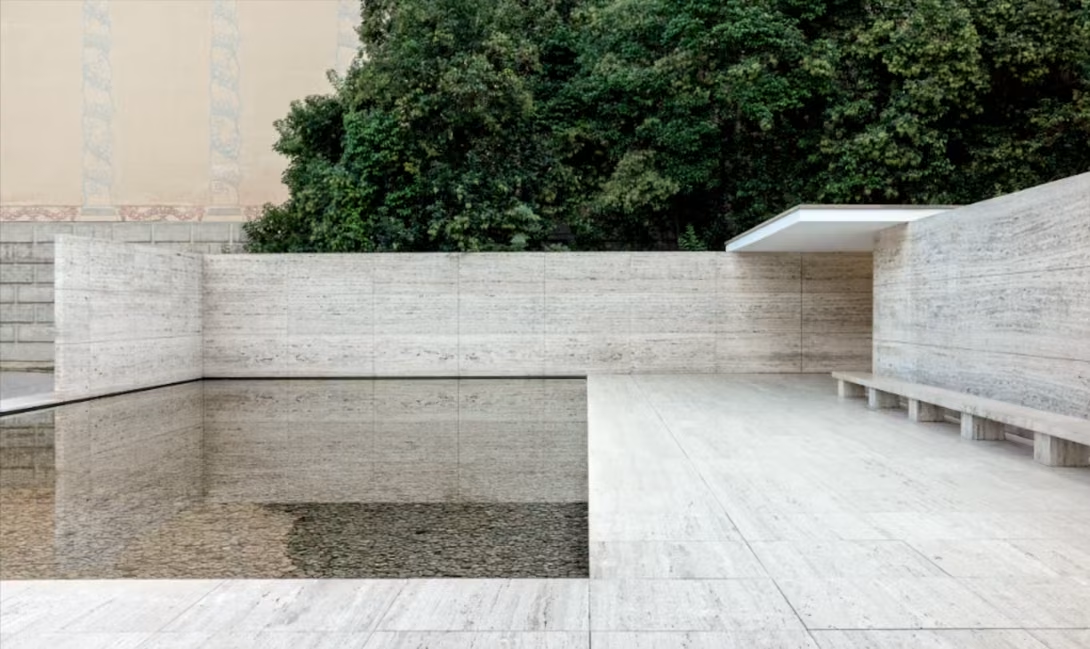
© Barcelona.com
The Pools
The pools reflect the building, the sky, and the stone walls. They give the place its calm and highly photogenic atmosphere.
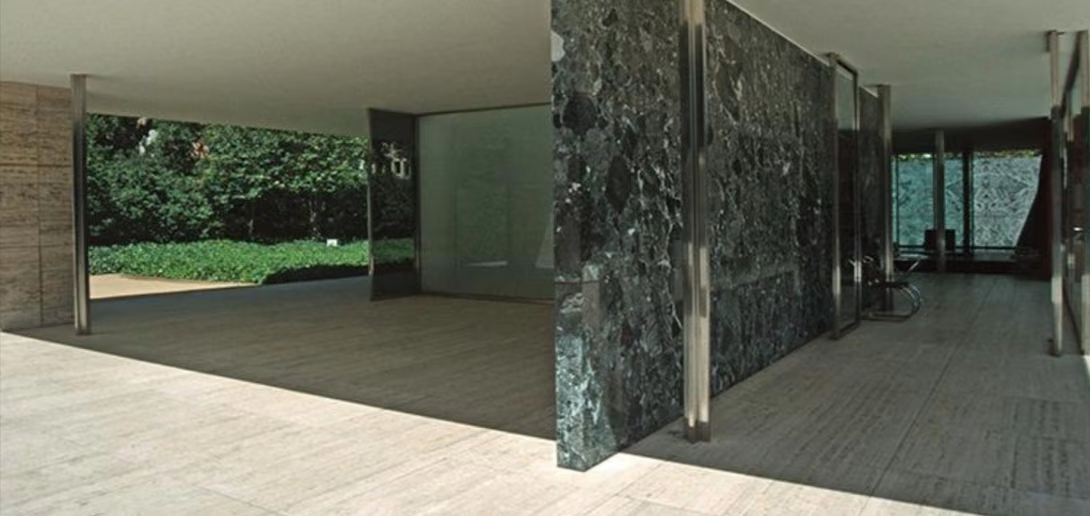
© Barcelona.com
Materials
Glass, chrome steel, travertine, green marble, and golden onyx define the identity of the Pavilion. Here, materials almost replace the decor.
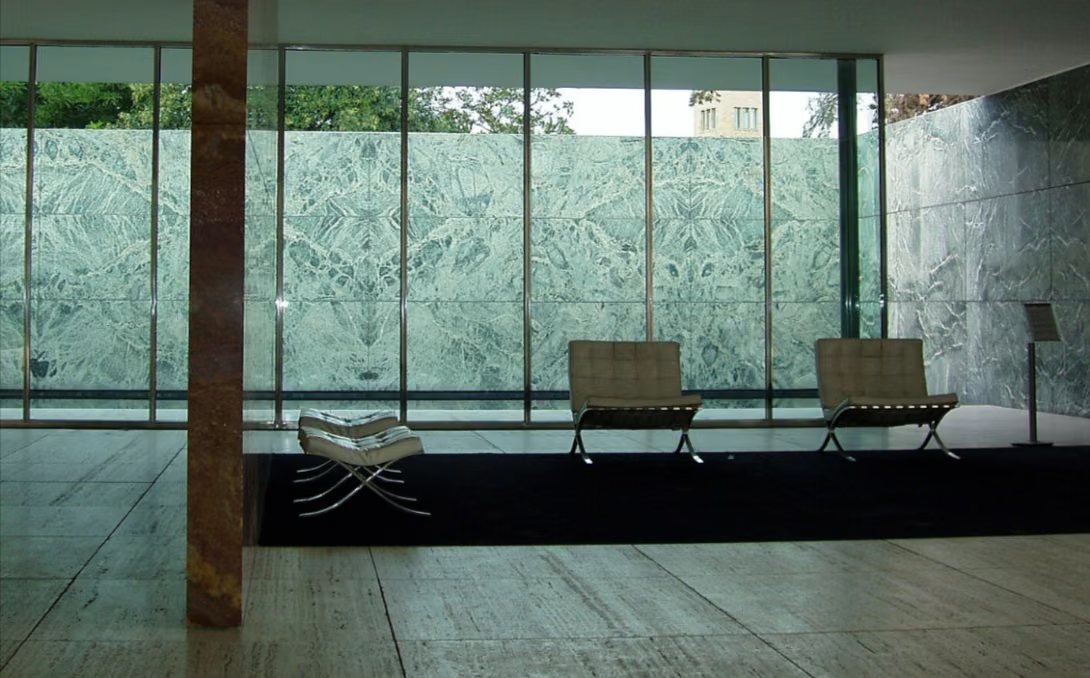
© Barcelona.com
The Barcelona Chair
Designed by Mies van der Rohe and Lilly Reich, the Barcelona chair has become an icon of modern design. It is an integral part of the tour.
© Barcelona.com
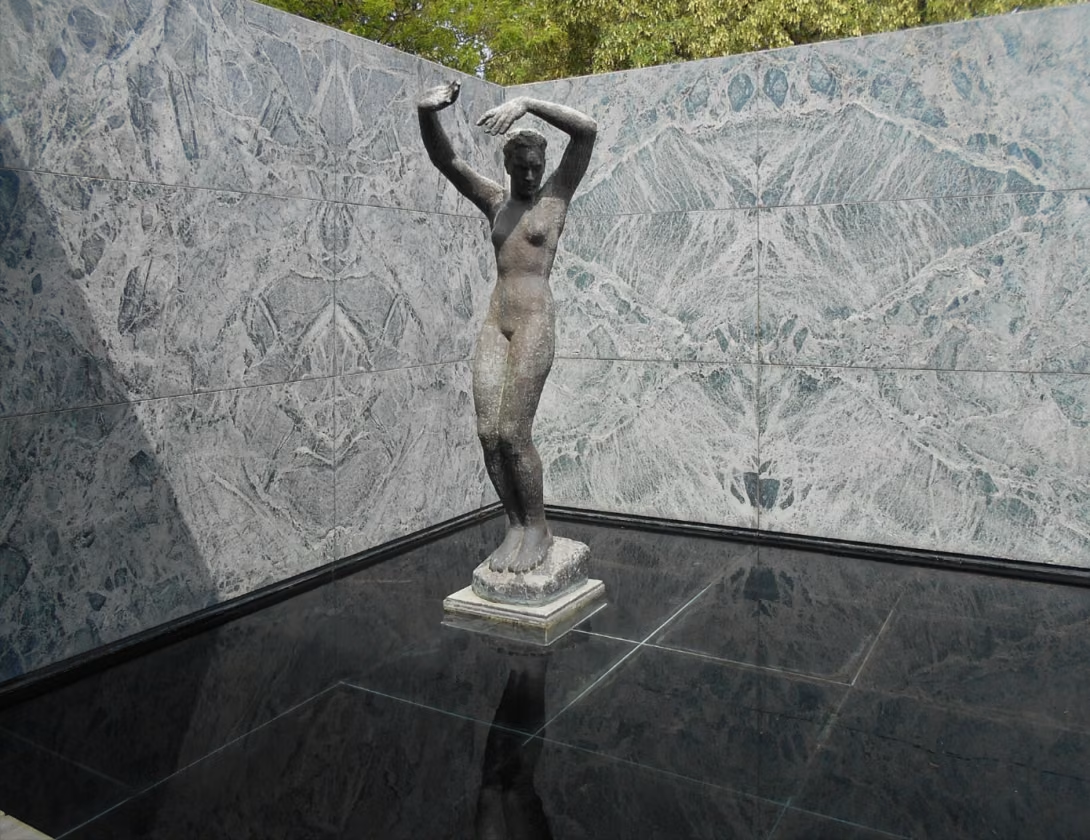
The Sculpture by Georg Kolbe
The sculpture L’Aube by Georg Kolbe is located near the small pool. Its reflection in the water softens the very geometric lines of the Pavilion.
Start by taking a tour around the exterior of the Pavilion, then slowly enter the interior spaces. The visit is brief, but it's best appreciated by observing the details: reflections in the water, horizontal lines, stone walls, transparencies, and furniture.
Allow about 30 to 45 minutes. Weekday mornings are often the best time to enjoy the tranquility of the place.
Plan Your Visit
Opening Hours, Visit Duration, and Best Time
The Mies van der Rohe Pavilion is open every day, except December 25th. Opening hours vary depending on the season.
| March to October | Generally from 10:00 AM to 8:00 PM |
|---|---|
| November to February | Generally from 10:00 AM to 6:00 PM |
| Last access | 15 minutes before closing |
| Annual Closure | December 25 |
| Recommended Duration | Approximately 30 to 45 minutes |
| Best time | Weekday mornings |
Occasional closures may occur during events, conferences, or special activities. Check the schedule before your visit.
A Bit of History
Mies van der Rohe, Lilly Reich and the German Pavilion
The Barcelona Pavilion was designed by Ludwig Mies van der Rohe, with the collaboration of Lilly Reich, to represent Germany at the 1929 International Exposition in Barcelona.
The building was not intended to last. It was dismantled in 1930, shortly after the exposition ended. However, its influence on modern architecture has been immense.
The Mies van der Rohe Foundation was established in 1983 by the city of Barcelona with a specific goal: to reconstruct the German pavilion designed by Ludwig Mies van der Rohe for the 1929 International Exposition in Barcelona.
The reconstructed Pavilion was inaugurated in 1986, at its original location, based on the plans, photographs, and documents preserved from the 1929 project.
Modern Architecture
Why is the Barcelona Pavilion Important?
The Barcelona Pavilion is considered one of the major buildings of the Modern Movement. With very few elements, Mies van der Rohe and Lilly Reich showcase a new way of thinking about space: more open, more fluid, and more abstract.
The building is based on simple lines, noble materials, and great freedom of movement. It does not seek to impress with size, but with the balance between volumes, light, reflections, and surfaces.
Even though the Pavilion can be visited quickly, its influence on 20th-century architecture is considerable. It has inspired several generations of architects and remains a reference point for understanding modern architecture today.
Getting there
Getting to Barcelona Pavilion
The Barcelona Pavilion stands at the foot of Montjuïc, close to Plaça d'Espanya. It is easy to reach by public transport, on foot from the surrounding Montjuïc sites or by taxi.
08038 Barcelona, Spain
Getting there
Nearby

Fundació Joan Miró
The Joan Miró Foundation adds a modern-art museum to the architectural route around the Barcelona Pavilion.

Torre de Comunicacions de Montjuïc
Montjuïc's communications tower adds a later architectural landmark to the route after Mies van der Rohe's pavilion.

Palau Sant Jordi
Palau Sant Jordi is Montjuïc's large indoor arena, adding another major building to an architecture-focused walk.

Lluís Companys Olympic Stadium
The Lluís Companys Olympic Stadium adds Montjuïc's sporting architecture to a visit centred on the Barcelona Pavilion.

Telefèric de Montjuïc (Montjuïc Cable Car)
The Montjuïc Cable Car provides a practical way to continue uphill after visiting the pavilion.
FAQ
FAQ: Barcelona Pavilion
Plan for about 30 to 45 minutes. The visit is short, but it's best to take the time to observe the details, reflections, and materials.
Yes, especially if you love architecture, design, or tranquil places. It's not a spectacular visit like Casa Batlló, but it's an essential monument of modern architecture.
The Pavilion was designed by Ludwig Mies van der Rohe, in collaboration with Lilly Reich, for the 1929 Barcelona International Exposition.
It is located in Montjuïc, near Plaça Espanya, the MNAC, CaixaForum, and Poble Espanyol. The most convenient metro station is L1L3 Espanya.
It's more an architectural monument than a traditional museum. Visitors primarily explore the building itself, its spaces, materials, pools, and furniture.
Yes, an audio guide is available in French, English, Spanish, Catalan, Italian, and German.
Yes, but the tour is particularly interesting for children who are already keen on architecture, drawing, reflections, or shapes. For a truly spectacular family visit, other monuments in Barcelona might be more suitable.
Booking is recommended if you want to plan your day at Montjuïc precisely. The Pavilion is generally less crowded than Gaudí's major monuments, but making a reservation helps avoid any surprises.