A Fortress Above Barcelona
Montjuïc Castle Barcelona: Opening Hours and Visit
Montjuïc Castle overlooks Barcelona and its port from the top of the hill. Once a military fortress, it now offers a visit that combines ramparts, bastions, historical exhibitions, and stunning views of the city and the Mediterranean. It is also one of the most intriguing places in Montjuïc to understand the military and political history of Barcelona.

At a Glance
Montjuïc Castle at a Glance
| Catalan name | Castell de Montjuïc |
|---|---|
| Type | Historic Fortress |
| Neighborhood | Montjuïc |
| Address | Carretera de Montjuïc, 66 |
| Origin | 17th century |
| Current Aspect | Mainly 18th century |
| Hours March-October | Every day from 10 AM to 8 PM |
| November-February Hours | Every day from 10 AM to 6 PM |
| Free | Sunday from 3 PM and the first Sunday of the month |
| Visit Duration | Approximately 1 to 1.5 hours |
| Must-See Attractions | Ramparts, bastions, parade ground, views of the port, exhibitions |
| Access | Bus 150 or funicular + cable car |
| Good to Know | The ticket includes both temporary and permanent exhibitions |
Not to be missed
What to See at Montjuïc Castle?
© Enric, CC BY-SA 4.0, via Wikimedia Commons
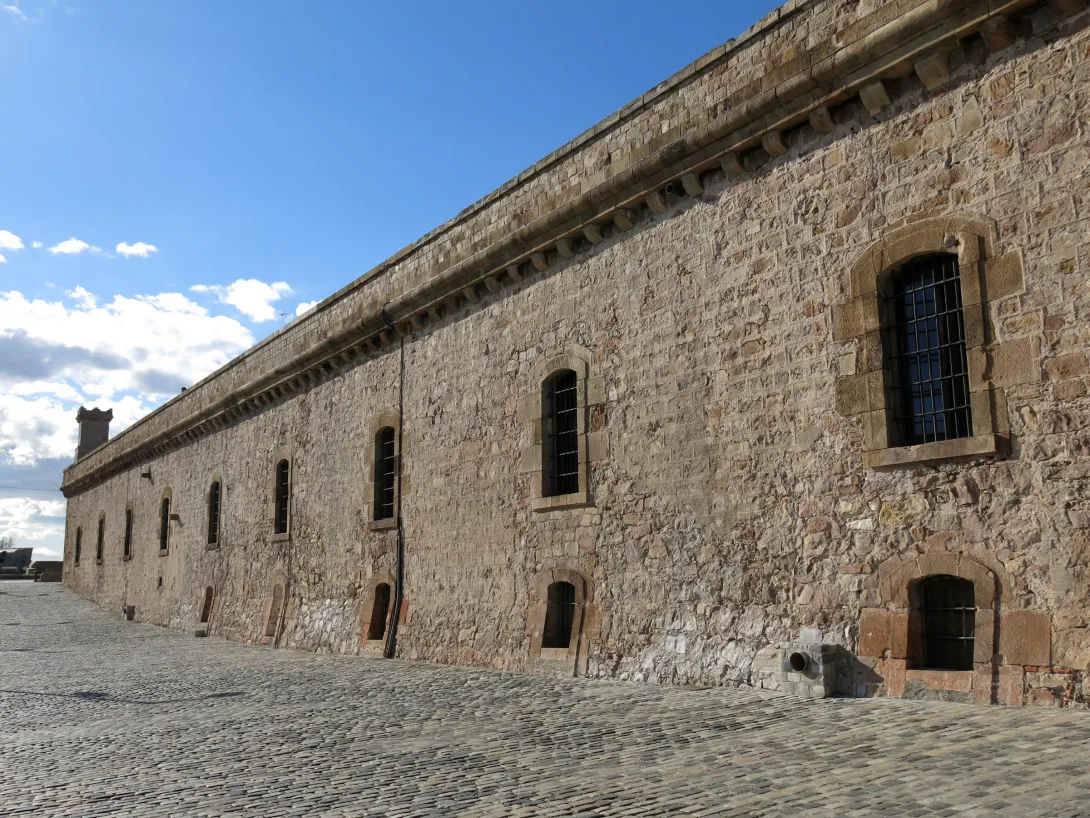
The Ramparts and Bastions
The route allows you to walk along the fortifications and discover the defensive organization of the fortress.
© Enric, CC BY-SA 4.0, via Wikimedia Commons
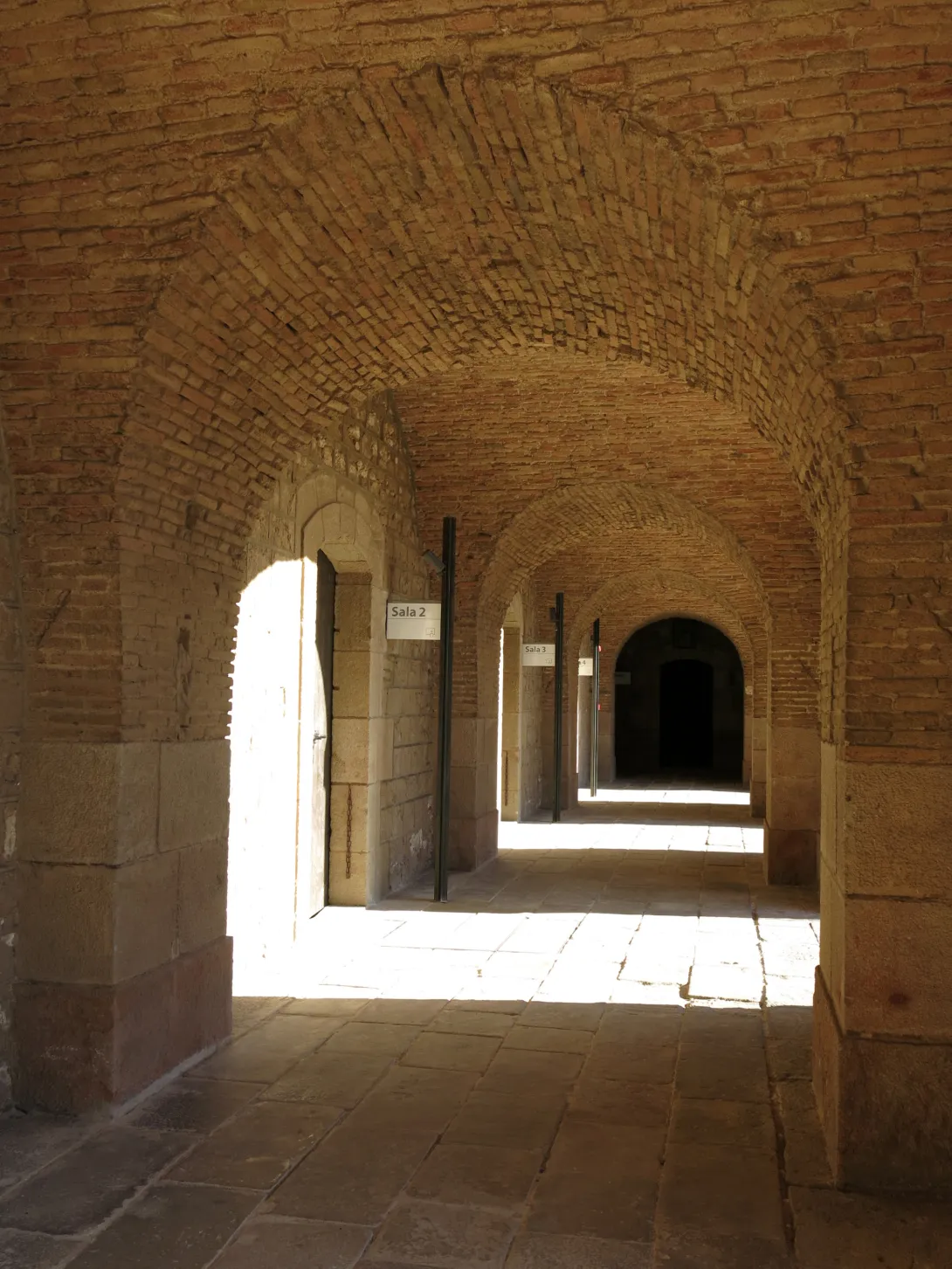
The Courtyard of Arms
At the heart of the castle, the large inner courtyard is surrounded by the ancient military buildings of the fortress.
© Enric, CC BY-SA 4.0, via Wikimedia Commons
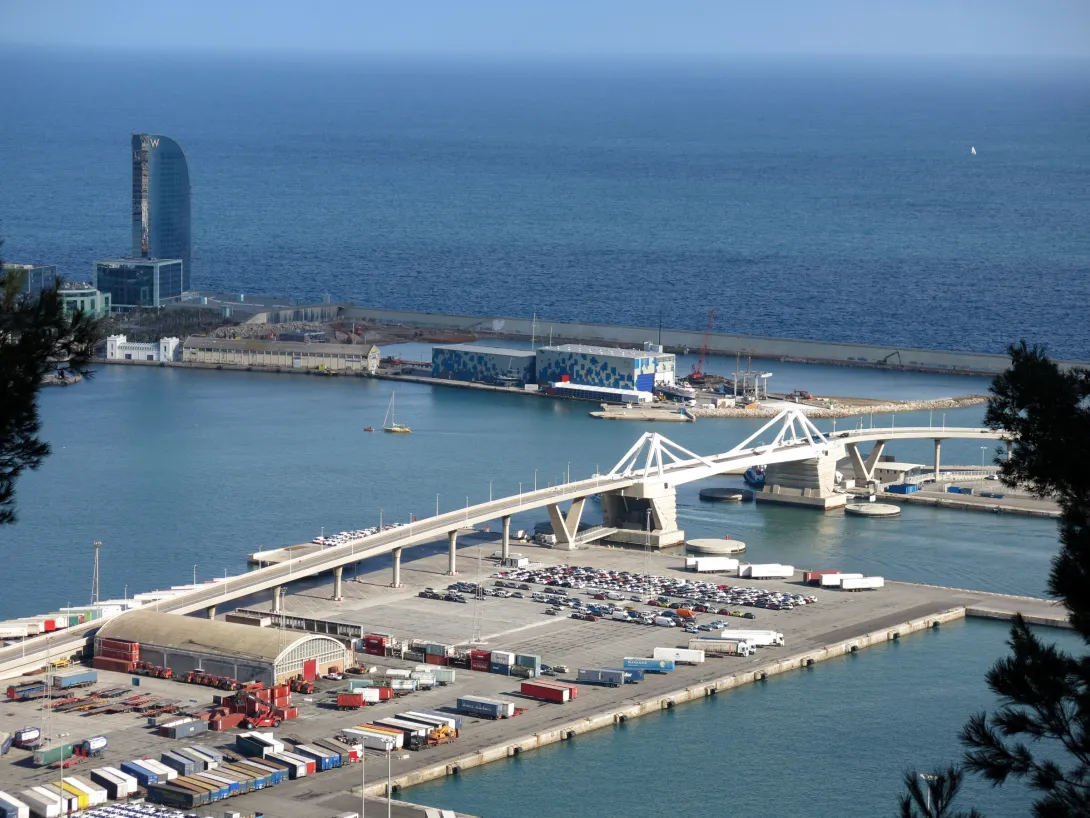
Views of the Port
From the terraces and bastions, you can enjoy spectacular views of the Port of Barcelona, the Mediterranean, and a large part of the city.
© Enric, CC BY-SA 4.0, via Wikimedia Commons
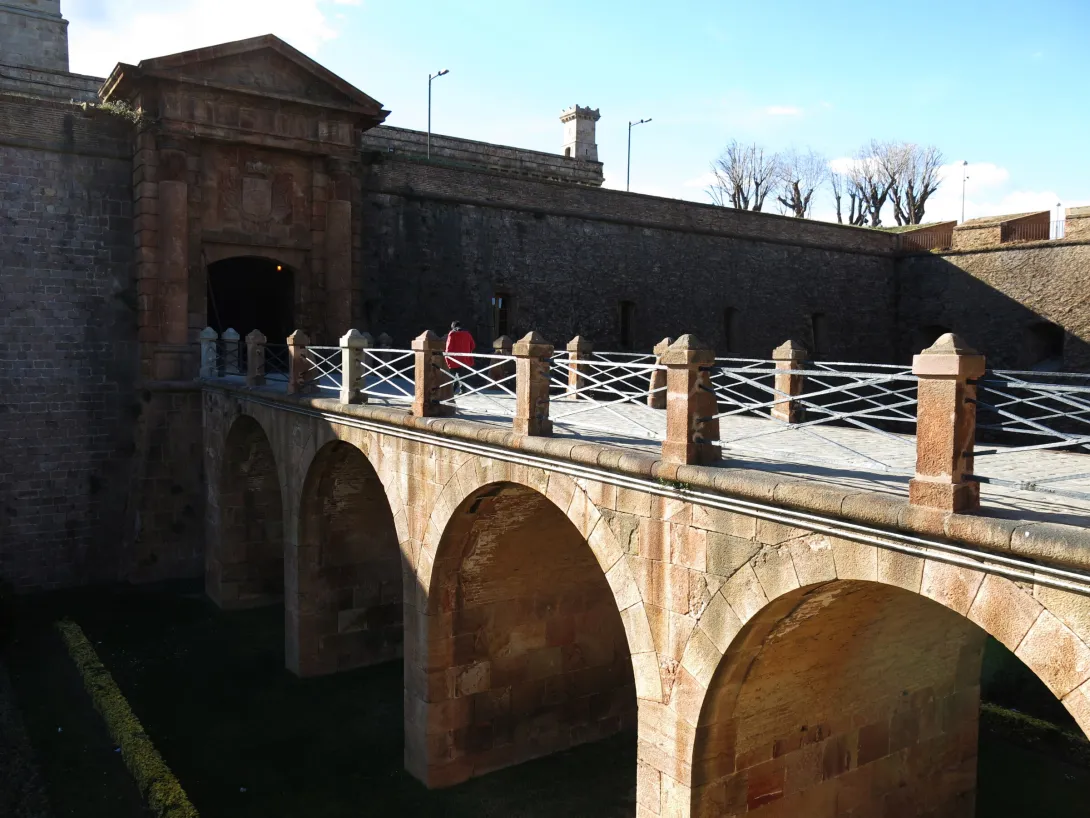
Moats and Defensive Structures
Ravelin, moats, covered way, and bastions help to understand the military function of the site.
Preferably take the cable car up and then leisurely walk down through Montjuïc.
The castle is particularly noteworthy for its combination of history, military architecture, and views of the port. Allow about 1.5 hours if you take the time to walk around the entire ramparts.
A Strategic Fortress
The History of Montjuïc Castle
The first fortification was built in 1640, at the beginning of the Reapers' War, to quickly defend the summit of Montjuïc.
The current castle mainly results from a significant reconstruction carried out in the 18th century. The project by military engineer Juan Martín Cermeño gave the fortress most of its present configuration.
For a long time, the castle served both to defend and monitor Barcelona. It also became a place of detention, political repression, and executions.
In the 20th century, it was notably used as a military prison during and after the Spanish Civil War. The president of the Generalitat, Lluís Companys, was imprisoned there and executed in 1940.
Military Architecture
How is Montjuïc Castle Organized?
The castle is built according to the principles of bastioned fortification.
It features bastions, moats, a ravelin, a hornwork, a covered way, and a large central parade ground.
The tour still allows visitors to easily understand how the fortress controlled access and monitored both the city and the port.
Panorama
The Views from Montjuïc Castle
One of the main attractions of the visit is the panorama.
From the ramparts, the views are particularly clear over the Port of Barcelona, the port facilities, and the Mediterranean.
From the other sides of the fortress, you can also see part of Barcelona and the green spaces of Montjuïc.
To delve deeper
Explore the Old Town, Montjuïc, and the Castle with a Guide
If you want to include the castle in a broader tour of Barcelona, a guided excursion combines the old town, the ascent to Montjuïc, a cable car ride, and a visit to Montjuïc Castle.
It's a great option if you prefer to explore the site with explanations rather than visiting it on your own.

Old Town of Barcelona + Montjuïc + Castle
Guided tour of the historic center, ascent to Montjuïc, cable car ride, and exploration of the castle.
On Montjuïc
The Castle at the Top of Montjuïc
The castle is located at the top of the hill, above the Botanical Garden and the Olympic Ring.
You can easily combine your visit with the Olympic Stadium, the Palau Sant Jordi, the Calatrava Tower, the Joan Miró Foundation, or the Montjuïc gardens.

Things to See Nearby
What Other Monuments to Visit?
To continue your exploration of the city, check out our selection of Barcelona's monuments, from Gaudí's masterpieces to Gothic, Modernist, and Olympic landmarks.

© Enfo, CC BY-SA 3.0, via Wikimedia Commons
The Lluís Companys Olympic Stadium
The Olympic Stadium is one of the major symbols of the Barcelona 1992 Games and is located further down the hill.

© Enric, CC BY-SA 4.0, via Wikimedia Commons
The Palau Sant Jordi
The Palau Sant Jordi is the main concert and event hall of the Anella Olímpica, designed by Arata Isozaki.

© Txllxt TxllxT, CC BY-SA 4.0, via Wikimedia Commons
The Calatrava Tower
This white telecommunications tower, designed by Santiago Calatrava, is one of the major visual landmarks of Montjuïc.
FAQ
FAQ: Montjuïc Castle Barcelona
Admission is free on Sundays from 3 PM as well as on the first Sunday of the month.
Allow approximately 1 to 1.5 hours to explore the ramparts, the parade ground, the exhibition spaces, and enjoy the views.
Yes. Guided tours are available, and some excursions also combine the old town, Montjuïc, and the cable car.
You can take the bus 150 from Plaça d’Espanya, or head to Paral·lel and use the Montjuïc funicular before continuing by cable car or bus.
No. The entrance to the castle and the cable car are usually two separate services, except in some combined tours.