Around Barcelona
Costa Brava: What to See and Do
The Costa Brava is the coastline of the province of Girona, north of Barcelona, stretching from Blanes to the French border. Fishing villages, pine-fringed coves, coastal paths, and Dalí landscapes offer a variety of unique getaways. For a first visit, choose one area rather than covering too many miles: one day for a single destination, two or three days to combine villages, swimming, and culture.
Map, villages, beaches, and itinerary ideas to explore the Costa Brava from Barcelona.
- Map and key places
- Villages and Coves
- Day trips and longer stays

Map and key places
Where is the Costa Brava?
The Costa Brava is located in Catalonia, in the northeast of Spain. Barcelona is your starting point, to the south of the coastline: Blanes marks the entrance, while Cadaqués and Cap de Creus are in the northern part. Figueres, famous for Dalí, is inland.
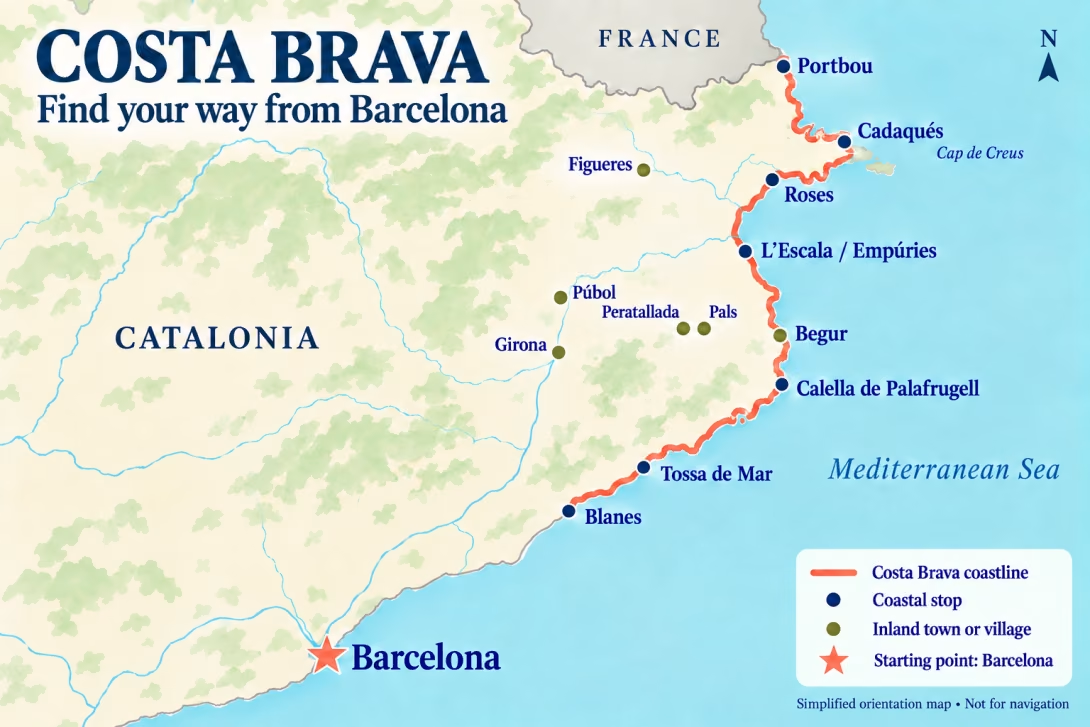
© Barcelona.com
Simplified map for reference, not intended for navigation.
The Costa Brava in Brief
| Location | Province of Girona, Catalonia, Spain |
|---|---|
| Boundaries | From Blanes to Portbou and the French border |
| From Barcelona | First, choose a specific destination: access varies depending on the area |
| Recommended Duration | One day for a single destination, two to three days for a first visit |
| Must-see | Villages, beaches and coves, coastal paths, heritage and Dalí museums |
| Transportation | A car is convenient for several stops; plan public transport connections for each destination |
| Official Website | Costa Brava and Pyrenees of Girona |
Which villages and places to visit on the Costa Brava?
For a first visit, choose based on your interests: waterfront ramparts, a fishing village, medieval alleys, or ancient heritage. These six stops offer different reasons to pause and explore.
© Alberto-g-rovi, CC BY-SA 4.0, via Wikimedia Commons
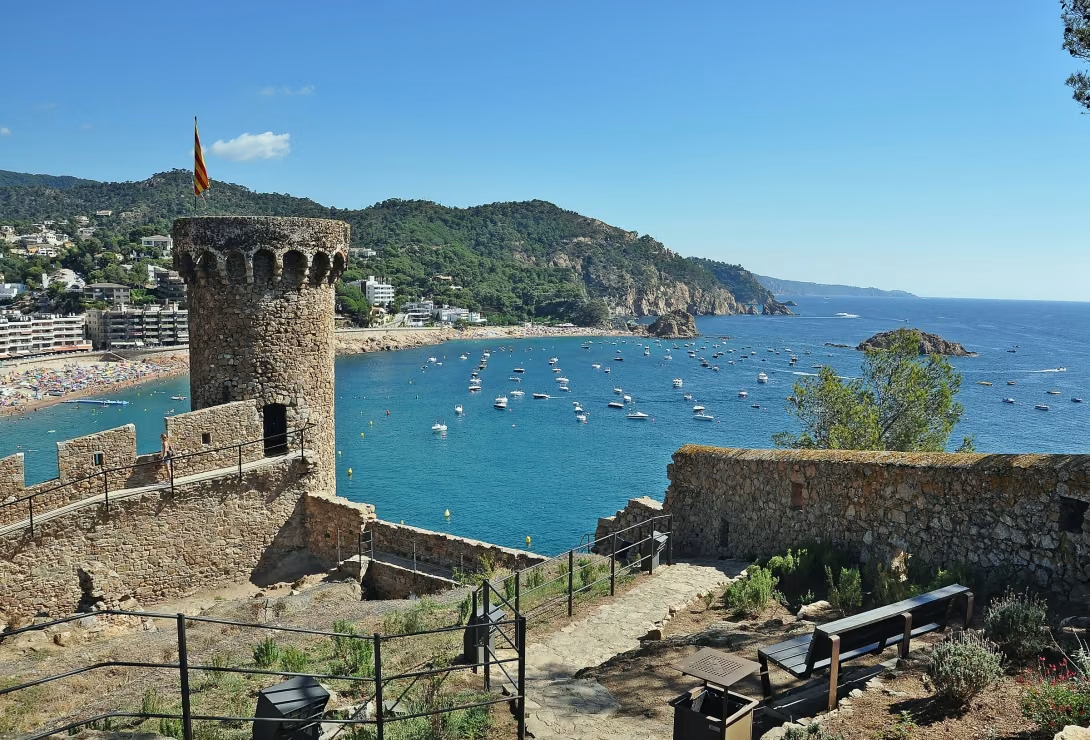
Tossa de Mar: the old town by the sea
The fortified Vila Vella overlooks the beach, giving Tossa its instantly recognizable silhouette. We suggest combining a stroll through its narrow streets with a break by the water, without planning to visit multiple towns in one day. Head up for the views, then return to the waterfront.
© Barcelona.com
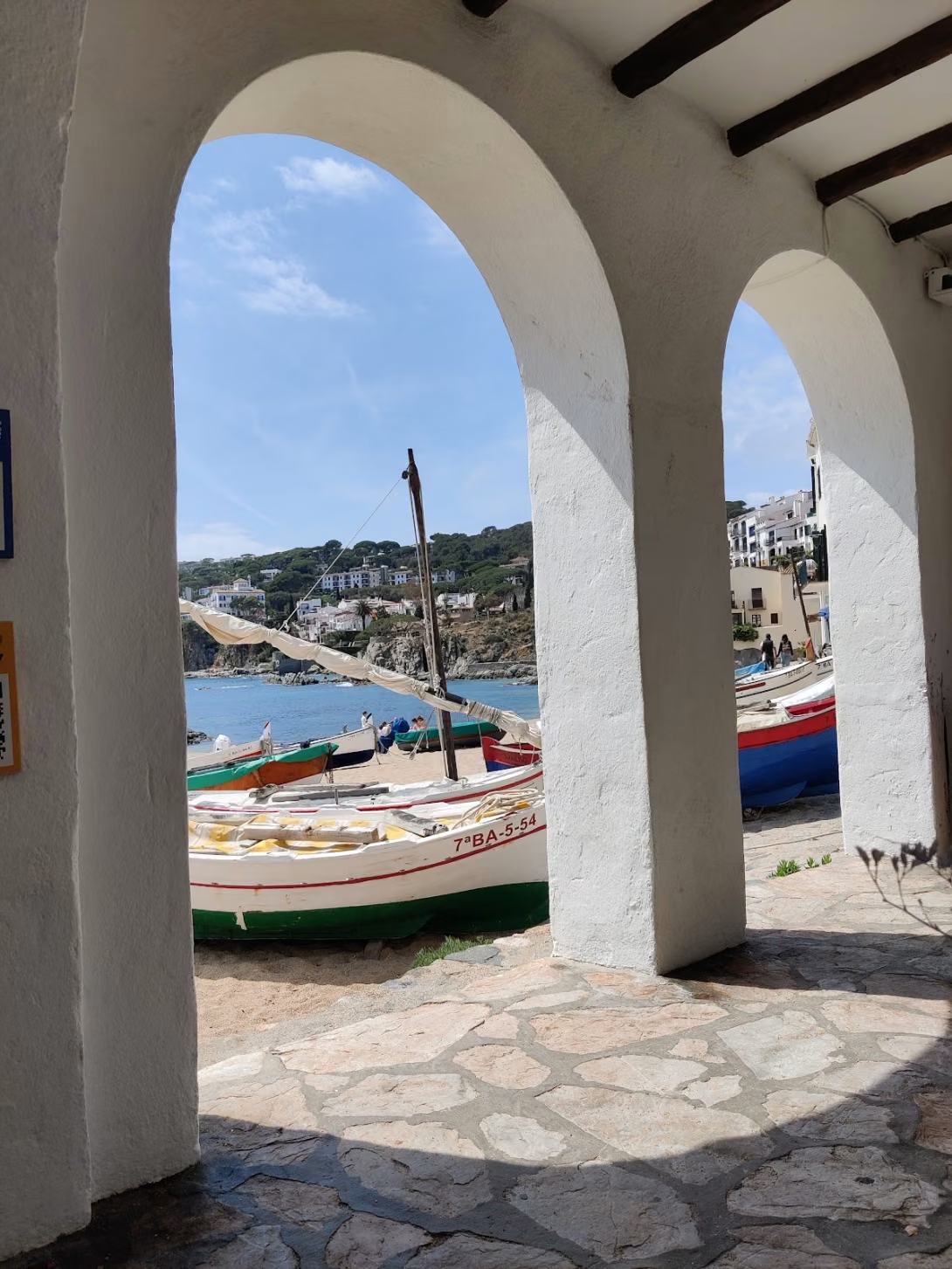
Calella de Palafrugell and Llafranc: seaside charm
Houses facing the sea, small beaches, and a coastal promenade: this duo is perfect for those who enjoy walking between breaks. Settle in one of the two villages and walk to the other via the coastal path, depending on the trail's condition. Make sure to take time to admire the coves rather than just covering the miles.
© Alan Mattingly, CC BY-SA 4.0, via Wikimedia Commons
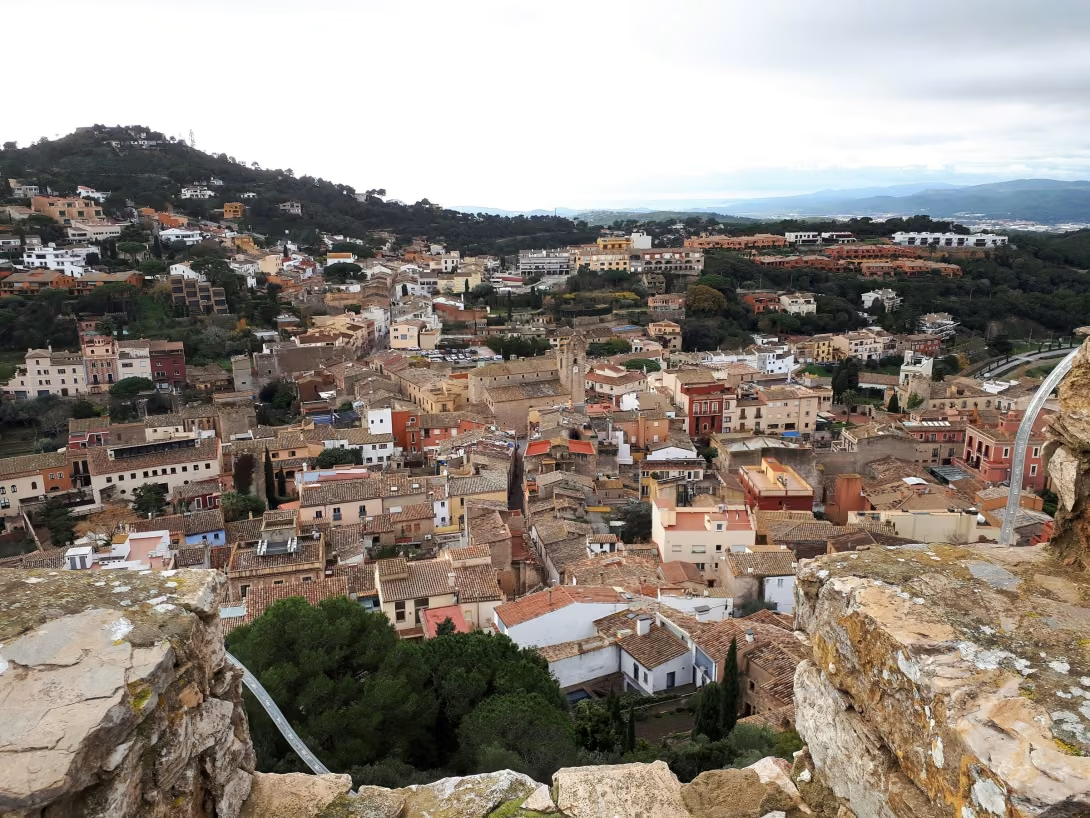
Begur: a hilltop village and coves
Begur is best explored in two stages: first, the village streets, then a descent towards the coast. Aiguablava, Sa Riera, and Sa Tuna each offer different atmospheres. Choose a beach to complete your visit: moving from one to another involves some travel and, in peak season, finding a new parking spot.
© Mutari, domaine public, via Wikimedia Commons
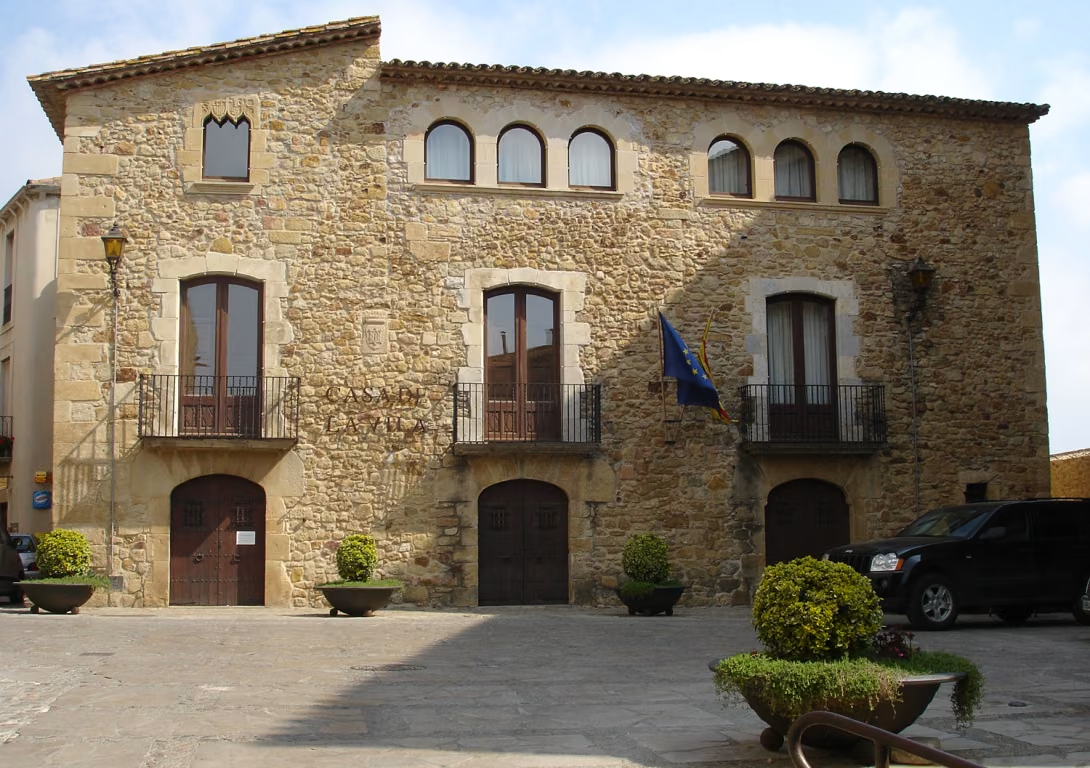
Pals and Peratallada: A Medieval Escape
For a change from the beaches, head to these inland villages. In Pals, stone alleys and an ancient tower set the pace; in Peratallada, the stroll continues through passages and squares. They are perfect for exploring on foot and enjoying a lunch, which can be combined with a visit to a nearby coastal area.

© Antonio De Lorenzo, Marina Ventayol, CC BY 2.5, via Wikimedia Commons
Cadaqués: White Houses and Dalí's Landscape
Cadaqués deserves a special stop: the white village, the bay, and Portlligat make for a visit best enjoyed at a leisurely pace. Located in the north of the Costa Brava, its access road requires some extra time. For visits, beaches, and practical tips, check out our Cadaqués guide.
© Barcelona.com
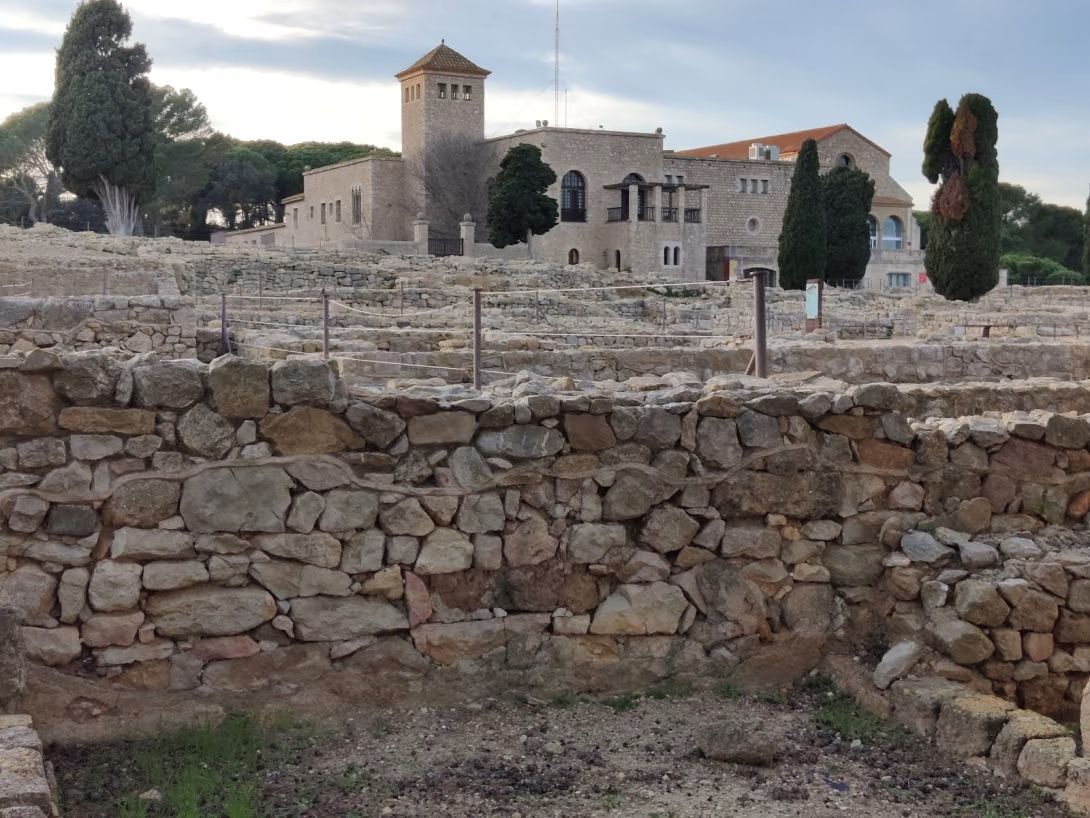
L'Escala and Empúries: Antiquity by the Beaches
The archaeological site of Empúries offers a blend of Greek and Roman heritage with a day on the coast of L'Escala. It's a great alternative to medieval villages. Allow enough time to explore the site, followed by a stroll or a beach break, bearing in mind that much of the site is exposed to the sun.
Which beaches and coves to choose?
The right choice depends as much on accessibility as on the scenery. For a short getaway, opt for a beach close to the place you're visiting. In summer, plan for crowds and parking; a well-known cove is not a secret beach.
© Karsten Ratzke, CC0 1.0, via Wikimedia Commons
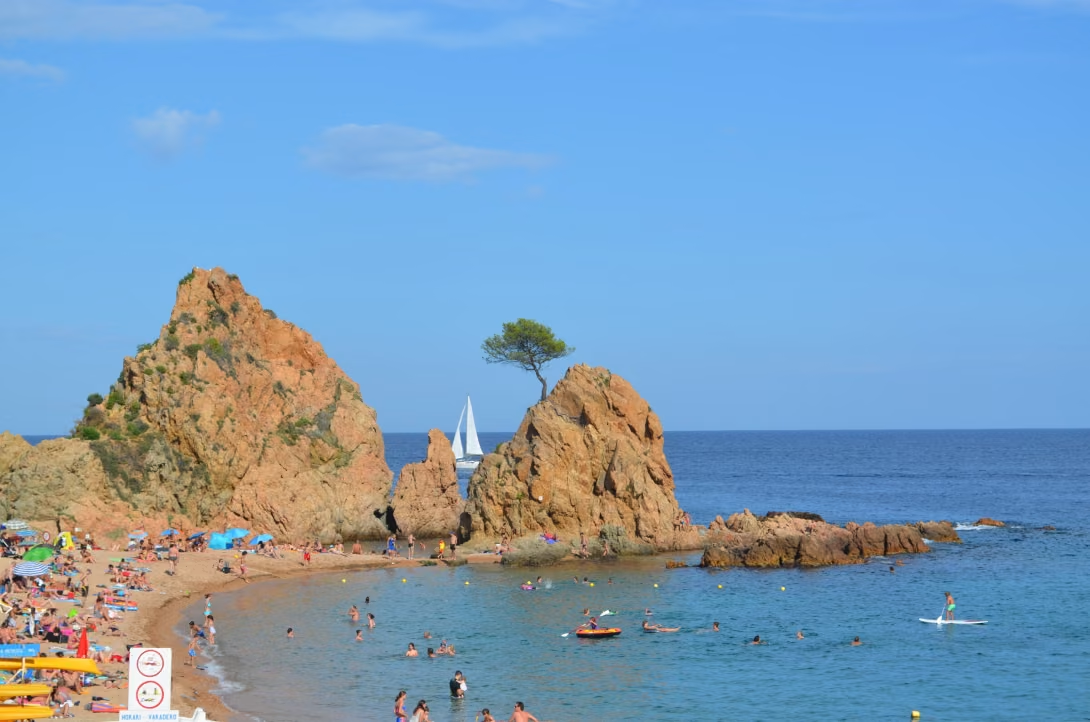
Mar Menuda in Tossa: a Break Near the Center
Just a few minutes' walk from the center of Tossa, Mar Menuda saves you from another car trip after your visit. Its small cove at the northern end can be suitable for children when sea conditions allow. Check the flags and available services on the day of your visit.
© Miquel Àngel Patiño, CC BY-SA 4.0, via Wikimedia Commons
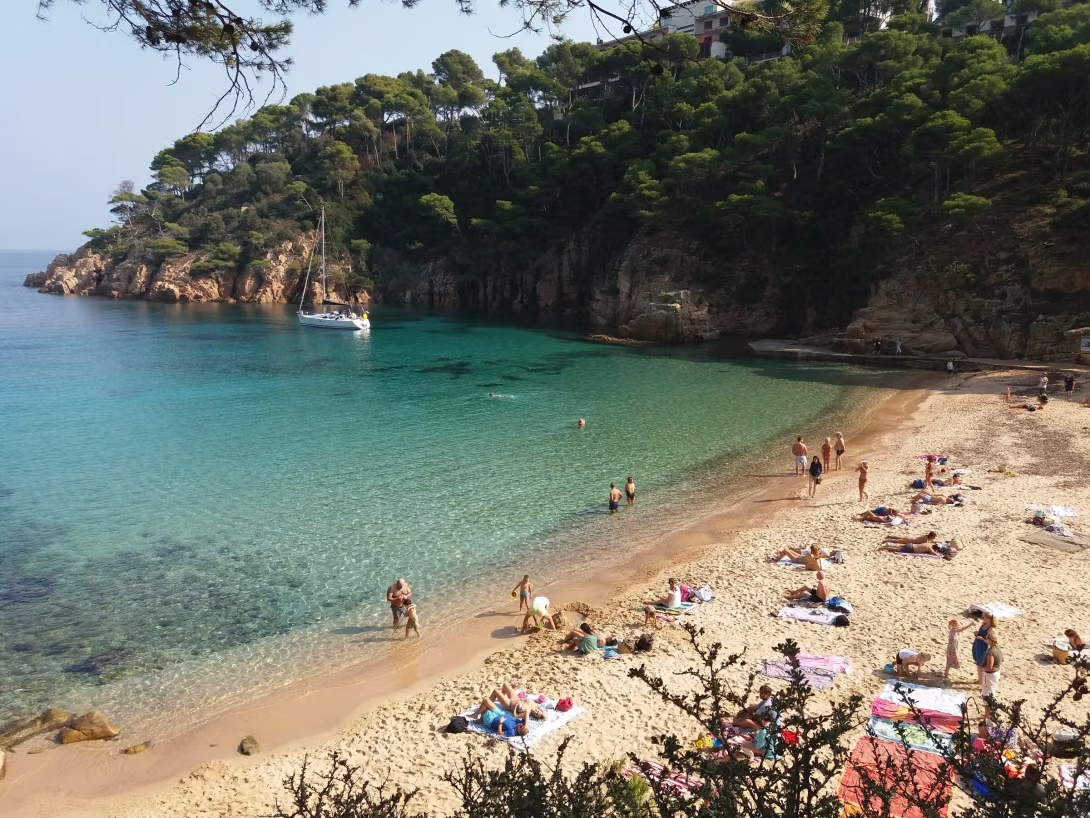
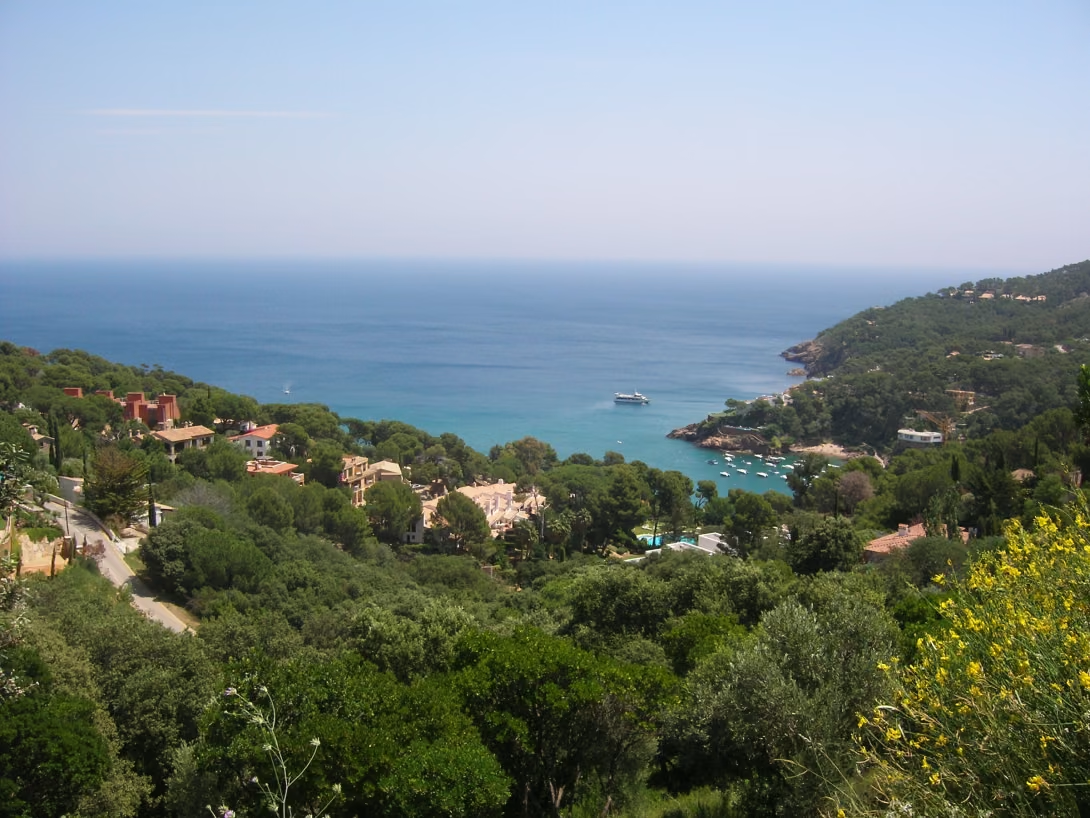
Aiguablava in Begur: a small sandy bay
Its fine sand and shallow waters explain its popularity. The setting is perfect for a swim break, but the beach is small: arrive early during busy periods. Pair it with Begur for a simple day out, rather than planning a tour of all the coves in the area.
© Pechke, domaine public, via Wikimedia Commons
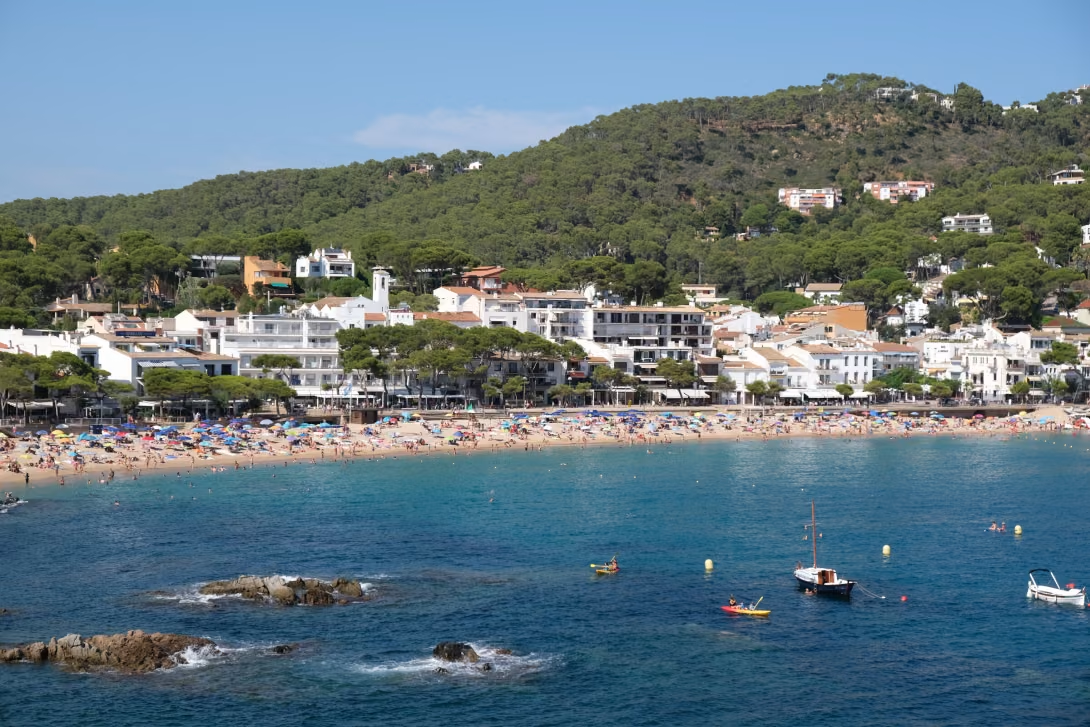
Sa Riera: More Space in Begur
Sa Riera offers a more expansive beach, lined with old fishermen's houses. It's an option to consider if you want to spend more time on the sand. From the beach, a walk to the viewpoint on the Illa Roja path also allows you to view the bay differently, without embarking on a long hike.
© kallerna, CC BY-SA 4.0, via Wikimedia Commons
Llafranc: beach and village in one stop
Choose Llafranc if you want to combine swimming, strolling, and dining in the village. The coastal path to Calella de Palafrugell allows you to mix up your day on foot. Bring shoes for the walk and save the beach for a break: the plan works even without seeking out a secluded cove.
Coastal walks and outdoor activities
The coastal paths, often called camins de ronda, are one of the best ways to explore the Costa Brava. They connect beaches, wind around rocks, and offer views that you miss from the road. Choose a section that suits your fitness level and check its accessibility: not all routes are flat or continuous.
Around Calella de Palafrugell and Llafranc, a short walk can be part of a day trip. Elsewhere, stairs, climbs, and exposed passages require more preparation. Bring water, sun protection, and good shoes; plan your return before embarking on a linear route.
Kayaking and snorkeling offer a different perspective of the coastline. Choose an activity that matches your skill level and the sea conditions, with guidance if necessary. The Medes Islands, off the coast of L’Estartit, are one of the region's best-known protected natural areas. Activities there must follow conservation rules.
Further north, Cap de Creus offers a rocky landscape very different from the pine-fringed bays. To combine it with the village and learn about access precautions, check out our Cadaqués guide.
A day by the sea
Day Trip to the Costa Brava from Barcelona
Looking to leave Barcelona for the turquoise waters of the Costa Brava? Explore the day trips offered on Tiqets and choose the option that suits you: coastal villages, a boat trip, or water activities depending on the tour.

Girona: A Cultural Getaway from Barcelona
Girona, inland, offers another getaway from Barcelona: a day of stone alleys, heritage, and walks along the Onyar. Start with the colorful houses by the river and the Eiffel Bridge, then head to the Barri Vell, the old town, up to the grand staircase of the cathedral. The Jewish Quarter, known as the Call, unfolds through its passages and small courtyards.
Allow a full day to explore on foot and stop for lunch. Choose a route that suits your mobility, as the historic center has hills and stairs. For an excursion from Barcelona, Girona is a destination in its own right; during a longer stay, it can also complement the villages and beaches of the Costa Brava.
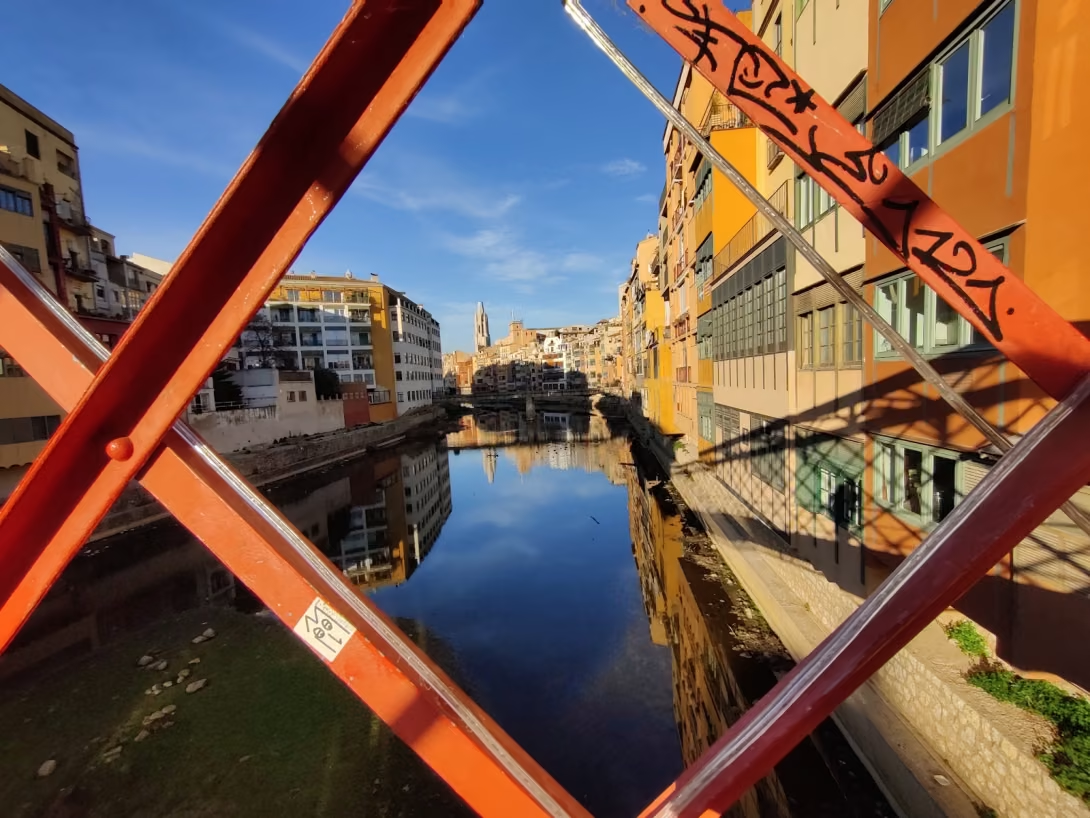
The colorful houses are reflected in the Onyar, seen through the red structure of the Eiffel Bridge.
© Barcelona.com

A wide stone staircase leads to the baroque facade of the cathedral, under a blue sky.
© Barcelona.com
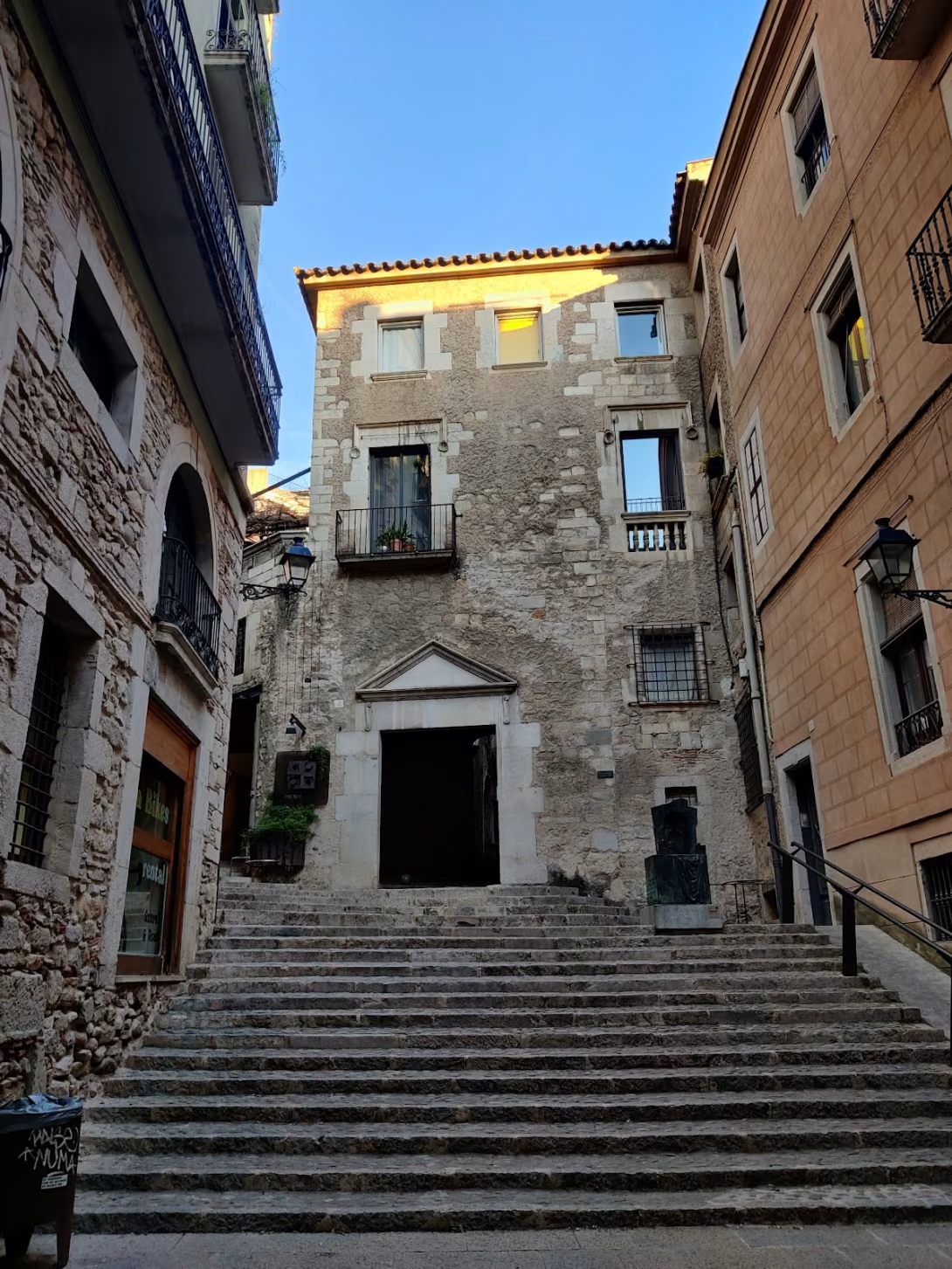
A narrow staircase ascends between the stone facades of the historic center.
© Barcelona.com
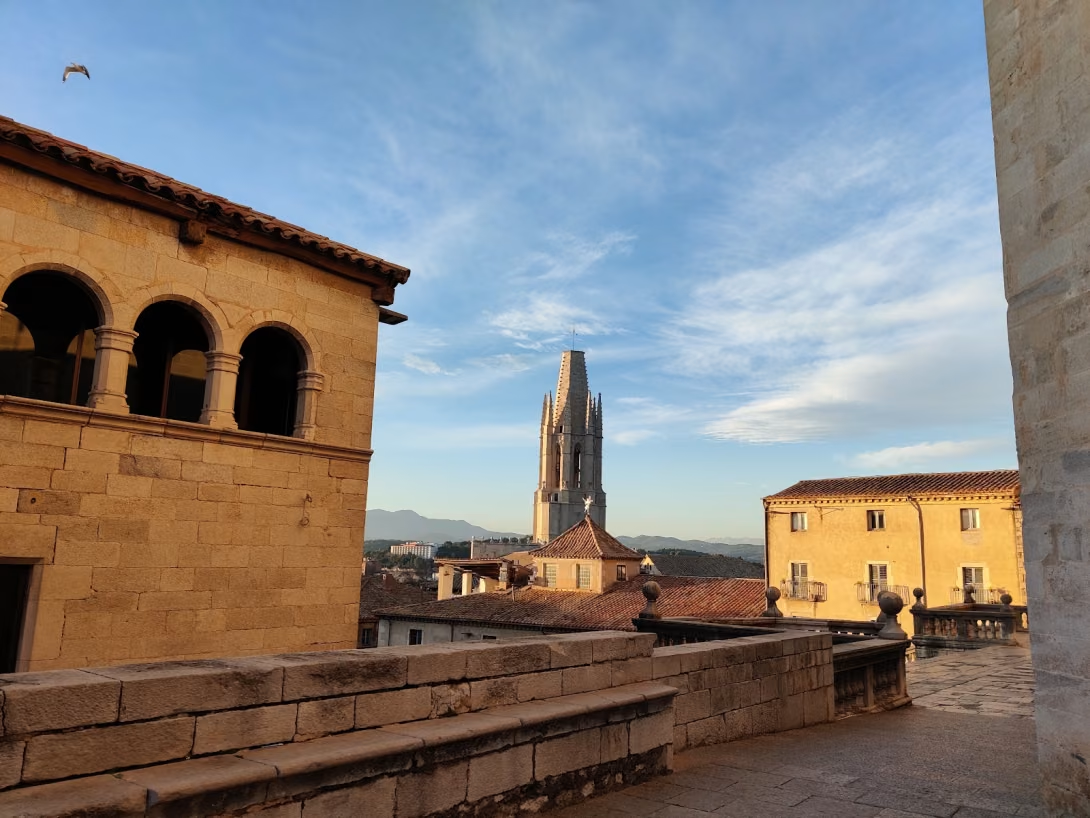
The Sant Feliu bell tower rises above the tiled rooftops, among stone buildings.
© Barcelona.com
Where to explore Salvador Dalí’s world
© Barcelona.com
Figueres, Portlligat, and Púbol: three complementary locations
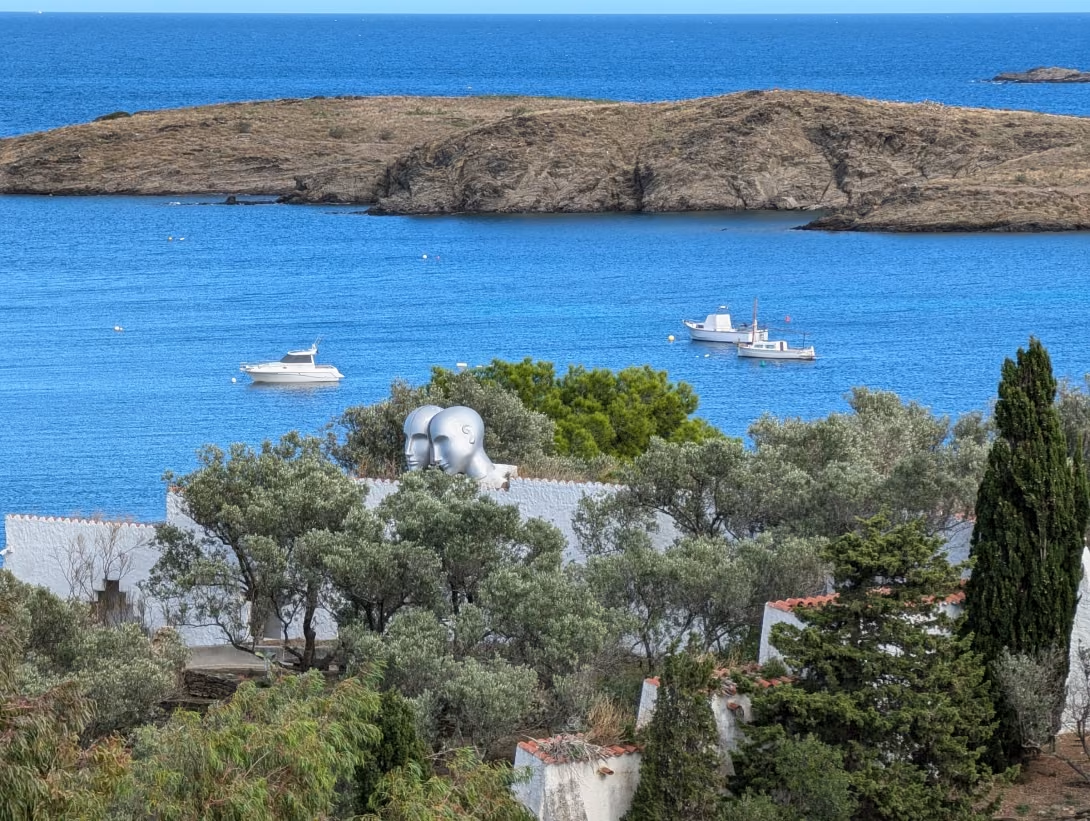
The Dalinian Triangle connects the Theatre-Museum in Figueres, the house in Portlligat near Cadaqués, and Gala's Castle in Púbol. Figueres and Púbol are located inland. Choose a visit to enrich your itinerary; the three museums require more time. Our guide to the Dalí Foundation museums provides information and tickets.
What to visit in one day or in two to three days?
From Barcelona, a day trip allows you to explore a part of the Costa Brava. Spending two or three days gives you more freedom to combine heritage and the sea. The following suggestions are itinerary options, which can be adjusted according to transportation and the season.
| A Day of First Discoveries | Tossa de Mar: Old Town, Seafront, and Beach Break Depending on the Season |
|---|---|
| A Day of Villages and Coast | Pals then Calella de Palafrugell, with a short walk; easier by car |
| Two days, central area | Day 1: Calella and Llafranc. Day 2: Begur and a cove, or Pals and Peratallada |
| Two Days: Art and Village | A Dalí tour in Figueres followed by a night in Cadaqués; spend the next day exploring the village or Portlligat depending on your booking. |
| Three Days, First Visit | Two days in the central area, then L'Escala and Empúries: minimize accommodation changes |
Don't try to fit Tossa, Begur, Cadaqués, and the three Dalí museums into a single round trip. A successful visit allows time for walking, dining, and stopping. For a short stay, we recommend choosing a base and taking nearby excursions; save another trip for the north if you wish to explore the Cap de Creus.
How to get to the Costa Brava from Barcelona?
Choose your arrival point: access varies between the southern Costa Brava and the areas of Begur or Cadaqués.
| Car | Blanes and Lloret: leave Barcelona via the C-31 towards Badalona, then take the C-32 towards Mataró and Blanes; continue on the GI-600 and GI-682 to Lloret. Center and north: take the AP-7 towards Girona/France. For Palafrugell and Begur, exit at exit 9, then follow C-35, C-65, and C-31 towards Palamós/Palafrugell. |
|---|---|
| Train and onward travel | Blanes: R1 from Barcelona-Sants or Plaça de Catalunya, then bus to Lloret. Girona and Figueres-Vilafant: AVE or Avant from Barcelona-Sants. The regional trains R11, from Sants or Passeig de Gràcia, serve Girona and the central station of Figueres. Plan for an onward bus or taxi journey to the villages and beaches. |
| Bus | The Moventis/Sarfa lines to the Costa Brava depart from Barcelona Estació del Nord, near Arc de Triomf. Check the arrival stop and the last return service. |
Lloret, Tossa, Begur, and Cadaqués do not have a train station. Also, be aware: Calella, served by the R1 in the Maresme region, is not Calella de Palafrugell.
Check the Moventis connections to the Costa Brava and train schedules for your date: services and connections vary depending on the season and construction work. If driving, allow extra time for traffic and parking in the summer.
When to visit and where to stay?
Spring and early autumn are great times for exploring the countryside and villages. Summer is ideal for beach days, though it tends to be busier. Outside the high season, check the opening times of establishments and transport services; weather and wind can alter a sea-based itinerary.
For a first getaway from Barcelona, Tossa or Blanes are good options to stay in the southern area. For several days exploring villages and coves, choose a base around Palafrugell or Begur. For Cadaqués and Cap de Creus, staying in the north reduces travel time and allows you to enjoy the early mornings and evenings.
When booking, consider the actual access to your accommodation: parking, elevation, distance to the beach, and available transport. A campsite, apartment, or hotel can all be suitable; location is more important than just a sea view. If you're coming without a car, choose a base where your activities are within walking distance.
For more outing ideas, check out our selection Around Barcelona.
Frequently Asked Questions about the Costa Brava
Yes, provided you choose a well-connected base and limit the number of stops. Trains with connections and buses make some routes possible, but not all coves are easily accessible. Check the connections and the last return service before finalizing your itinerary.
One day is enough to discover a destination, for example Tossa de Mar, with a stroll and a break by the water. However, it doesn't allow for exploring the entire coastline. To combine several villages without rushing, plan for two or three days.
The best choice depends on your interests: Cadaqués for the white village and Dalí's landscape, Tossa for the sea-facing ramparts, Begur for the coves, Calella de Palafrugell for its seaside atmosphere. The map helps you choose a stop that fits your itinerary.
Mar Menuda in Tossa, Aiguablava, or Sa Riera in Begur are options to compare based on the access and space you are looking for. Safety depends on the day's conditions: keep an eye on the flags, waves, and depth, even in a sheltered bay.
No. Calella is located in the Maresme, between Barcelona and Blanes. Calella de Palafrugell belongs to the central part of the Costa Brava. Make sure to check the full name when booking accommodation or searching for transport to avoid choosing the wrong destination.
Advance booking is required for the Portlligat house. For the other museums, check availability and the conditions of your chosen visit. Our Dalí Foundation page helps you prepare these visits.