A Romanesque gem hidden in El Raval
Sant Pau del Camp Monastery Barcelona: Visit and History
The Monastery of Sant Pau del Camp is one of the oldest religious buildings in Barcelona and one of the few remaining significant examples of Romanesque art in the city. Tucked away in the streets of El Raval, it captivates visitors with its small stone church and Romanesque cloister with polylobed arches, offering a surprisingly peaceful retreat in the heart of the city center.
An ancient Romanesque monastery hidden in El Raval, renowned for its small cloister with polylobed arches.
- Romanesque Art
- Romanesque Cloister
- In El Raval
- Guided tour on Sunday

At a Glance
Sant Pau del Camp at a Glance
| Catalan Name | Monestir de Sant Pau del Camp |
|---|---|
| Type of place | Former Benedictine Monastery and Church |
| Style | Romanesque Lombard |
| Neighborhood | El Raval – Ciutat Vella |
| Address | Carrer de Sant Pau, 101, 08001 Barcelona |
| Origins | Church documented since the 10th century |
| Monastery | From the 12th century |
| Must-See Attractions | Church, cloister, carved capitals, Romanesque portal |
| Visit Duration | Approximately 30 to 45 minutes |
| Guided Tour | Sunday at 12:45 PM, by reservation |
| Metro | L2 L3 Paral·lel |
| Official Site | santpaudelcamp.cat |
| Good to Know | The cloister is one of the smallest Romanesque cloisters in Europe |
Not to be missed
What to See at Sant Pau del Camp?
© amaianos, CC BY 2.0, via Wikimedia Commons
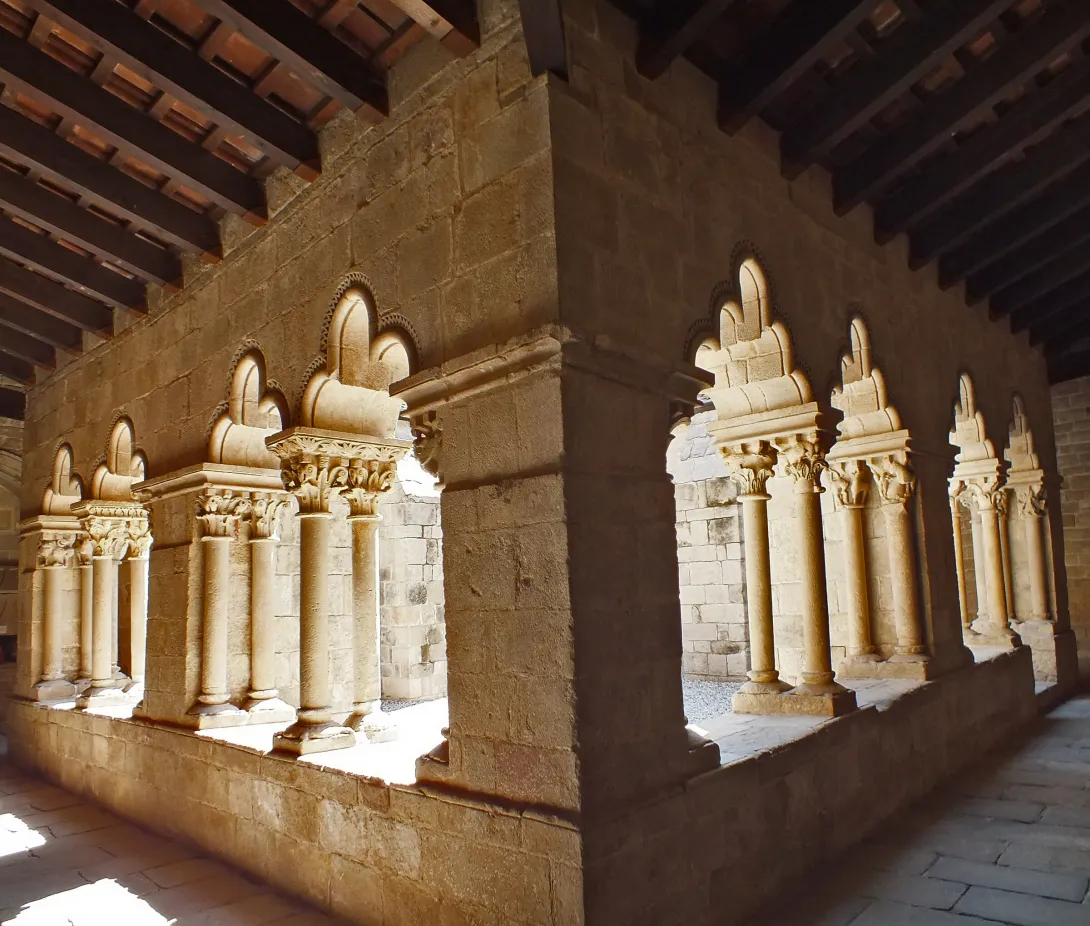
The Romanesque Cloister
© PCB75, CC BY-SA 2.0, via Wikimedia Commons
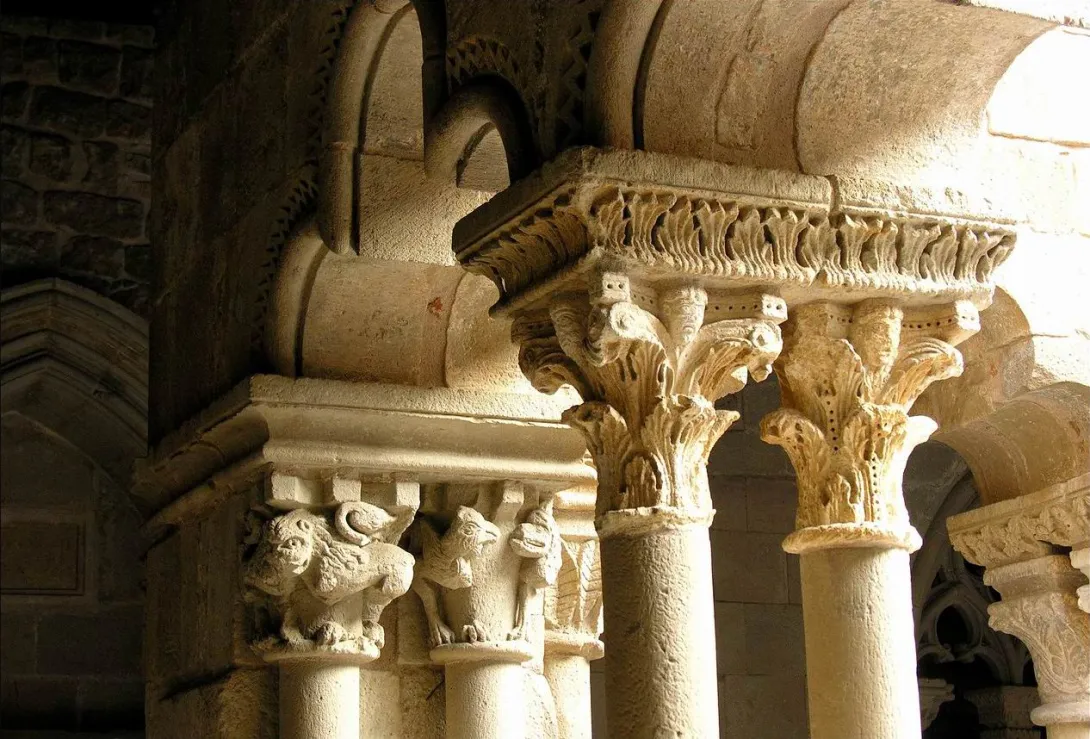
The Carved Capitals
© José Luis Filpo Cabana, CC BY 3.0, via Wikimedia Commons
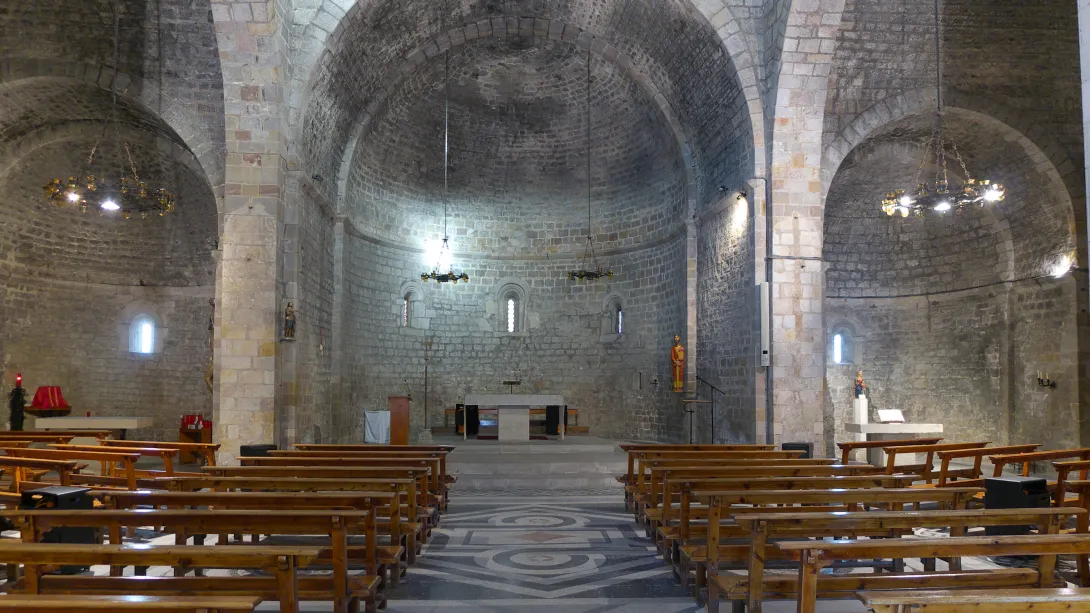
The Romanesque Church
© Enric, CC BY-SA 4.0, via Wikimedia Commons
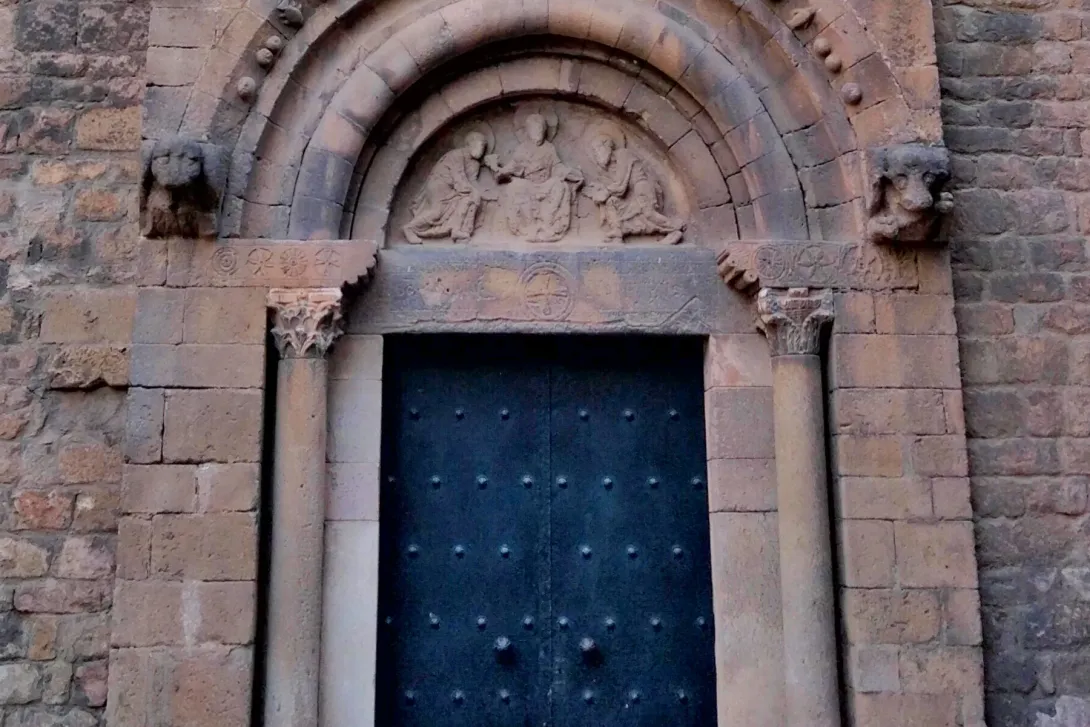
The Main Gate
Come especially for the cloister: it is what gives the place its charm.
Sant Pau del Camp is small, quiet, and very different from the grand Gothic monuments of Barcelona. It's an excellent visit if you're already in the Raval and enjoy less crowded historical sites.
Why Visit
What Makes Sant Pau del Camp So Special?
Sant Pau del Camp is one of the few places in Barcelona where you can still find such well-preserved Romanesque architecture.
The church stands out for the simplicity of its volumes, its thick walls, and its three apses. However, it is the cloister that truly makes the monument unique.
Its polylobed arches and sculpted capitals give it a very different identity from the large Gothic cloisters found elsewhere in the city.
The Origins of Medieval Barcelona
The History of Sant Pau del Camp
The Church of Sant Pau has been documented since 985, although its origins might be even older.
The funerary stone of Guifré II Borrell, who died in 911, attests to the site's antiquity. The church became a Benedictine monastery at the beginning of the 12th century.
The current complex was mainly built in the Lombard Romanesque style, then completed in the 13th century with the cloister.
Over the centuries, the monastery underwent destruction, reconstruction, and changes in use. It eventually became a parish church in the 19th century.
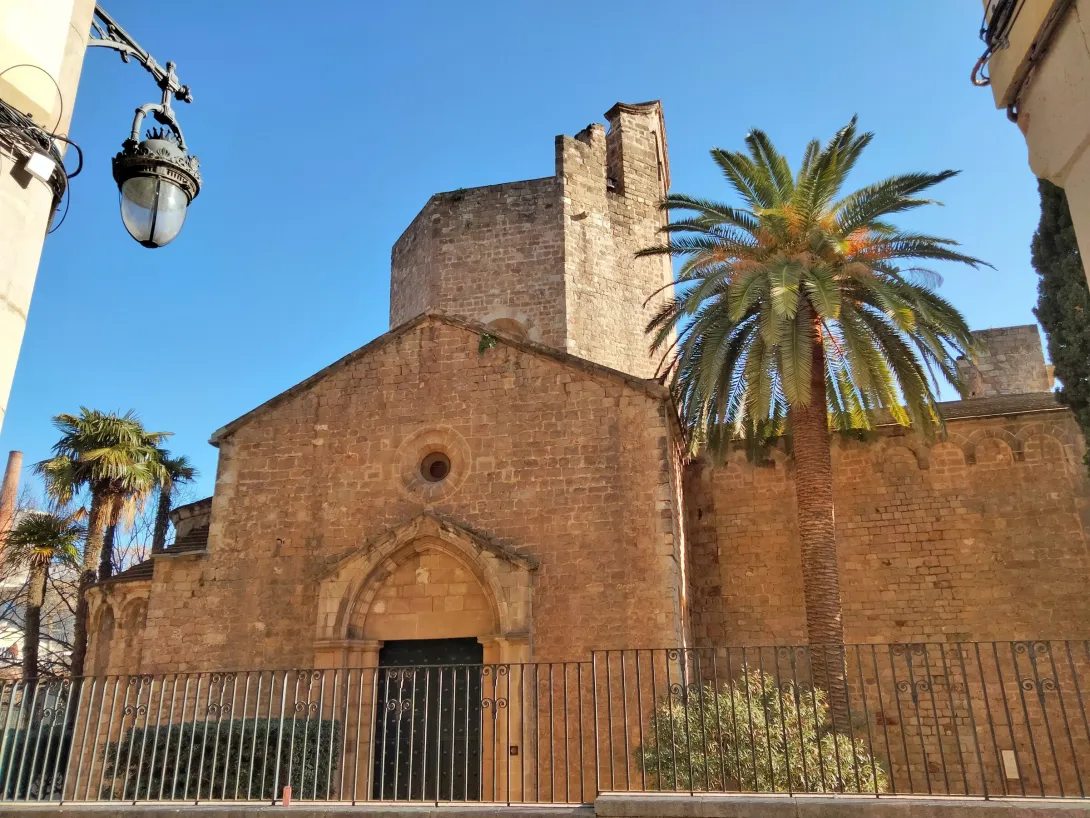
© Enric, CC BY-SA 4.0, via Wikimedia Commons
Exterior View of Sant Pau del Camp
A tiny and astonishing cloister
The Cloister of Sant Pau del Camp
The cloister mainly dates from the 13th century and is the most remarkable feature of the monastery.
Its small galleries are characterized by polylobed openings and paired columns topped with sculpted capitals.
You'll find decorative elements featuring plants and geometric patterns, as well as fantastical animals and religious scenes, such as Adam and Eve by the tree and the serpent.
Despite its modest size, the cloister has an especially peaceful atmosphere.
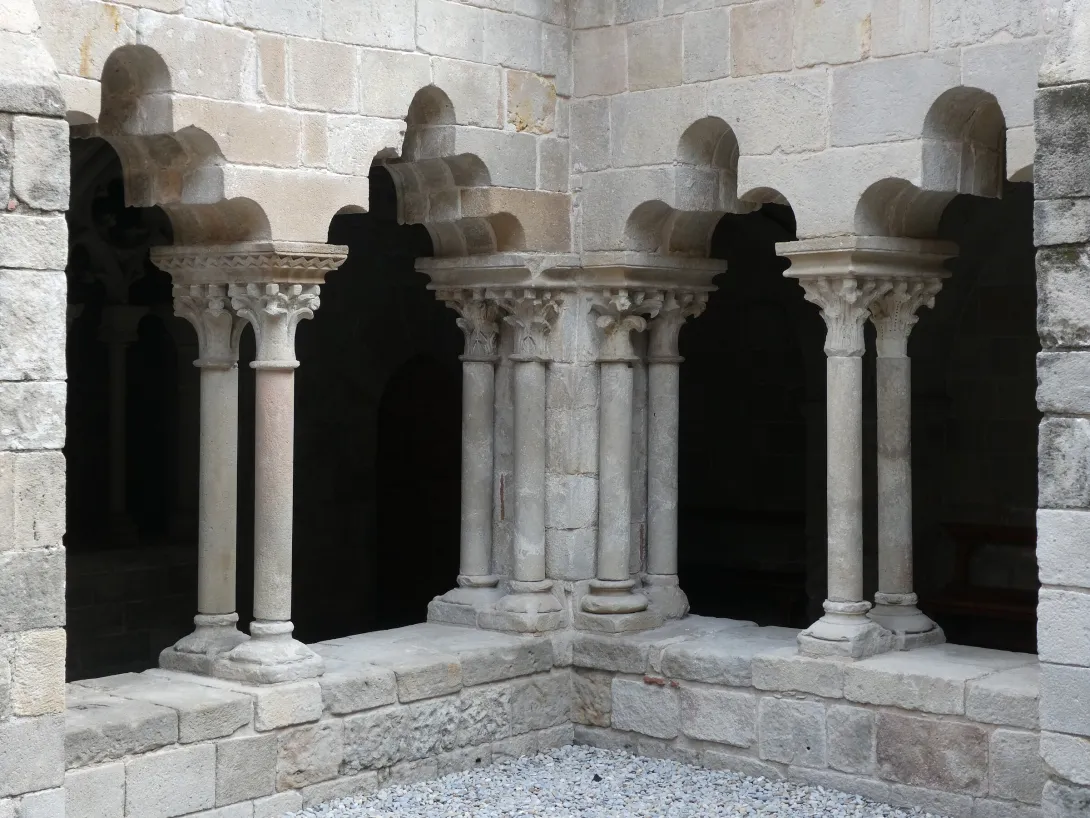
© Carlos Teixidor Cadenas, CC BY-SA 4.0, via Wikimedia Commons
The Romanesque Cloister
In El Raval
Sant Pau del Camp in the Heart of El Raval
Sant Pau del Camp is located in a quieter part of the Raval, near the Rambla del Raval and about a ten-minute walk from the Ramblas.
After your visit, you can easily continue on to the Palau Güell, the MACBA, the CCCB, or the Boqueria, depending on whether you prefer architecture, contemporary art, or a market atmosphere.
The contrast is striking between the bustling streets of the neighborhood and the silent atmosphere of the cloister.

Must-see nearby
What other monuments should you visit?
Sant Pau del Camp can easily be included in a stroll through the historic center. Check out our complete selection of Barcelona's monuments.

© Enric, CC BY-SA 4.0, via Wikimedia Commons
The Palais Güell

© Barcelona.com
The Grand Theatre of the Liceu

© Enric, CC BY-SA 4.0, via Wikimedia Commons
The Church of Our Lady of Bethlehem
FAQ
FAQ: Sant Pau del Camp Barcelona
Sant Pau del Camp is best known as one of the oldest religious buildings in Barcelona and for its small Romanesque cloister with polylobed arches.
The main highlights to discover are the Romanesque church, the cloister, the sculpted capitals, and the main portal.
Yes. Guided tours lasting about an hour are currently offered on Sundays at 12:45 PM, with prior reservation.
Plan for about 30 to 45 minutes for a self-guided tour, or around an hour for a guided tour.
The monastery is located in El Raval, on Carrer de Sant Pau, just a few minutes' walk from the Ramblas.