A baroque palace turned art center
Palau de la Virreina Barcelona: Opening Hours and Visit
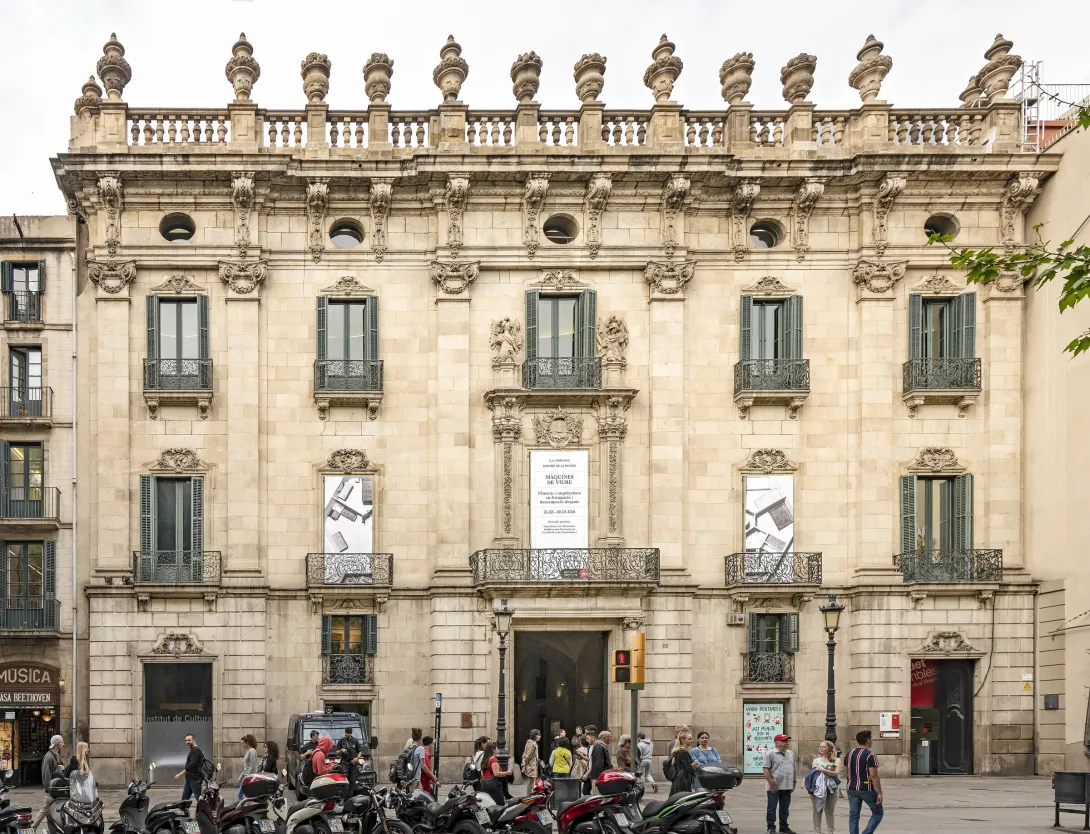
The Palau de la Virreina, or Palace of the Virreina, is one of the beautiful baroque buildings on Las Ramblas. Built in the 18th century for Manuel d’Amat i de Junyent, a former Viceroy of Peru, it now houses La Virreina Centre de la Imatge, dedicated to contemporary art exhibitions and visual culture.
A baroque palace on Las Ramblas turned into a center for contemporary art and visual culture.
- Free entry
- Baroque palace
- Temporary exhibitions
- On Las Ramblas

At a Glance
The Virreina Palace at a Glance
| Catalan Name | Palau de la Virreina |
|---|---|
| Type of place | Historic Palace and Exhibition Center |
| Style | Catalan Baroque civil |
| Neighborhood | La Rambla, Ciutat Vella |
| Address | La Rambla, 99, 08002 Barcelona |
| Construction | 1770s |
| Entry | Free |
| Exhibition Hours | From Tuesday to Sunday and on public holidays, from 11 AM to 8 PM |
| Monday | Closed for exhibitions |
| Visit Duration | Approximately 30 minutes to 1 hour |
| Must-See Attractions | Facade, inner courtyard, staircase, exhibition rooms |
| Best Time | In the morning or early afternoon |
| Metro | L3 Liceu |
| Official Site | La Virreina Centre de la Imatge |
| Good to Know | Temporary exhibitions are free |
Not to be missed
What to See at the Virreina Palace?
© Didier Descouens, CC BY-SA 4.0, via Wikimedia Commons
The Facade on La Rambla
© Josep Renalias, CC BY-SA 3.0, via Wikimedia Commons
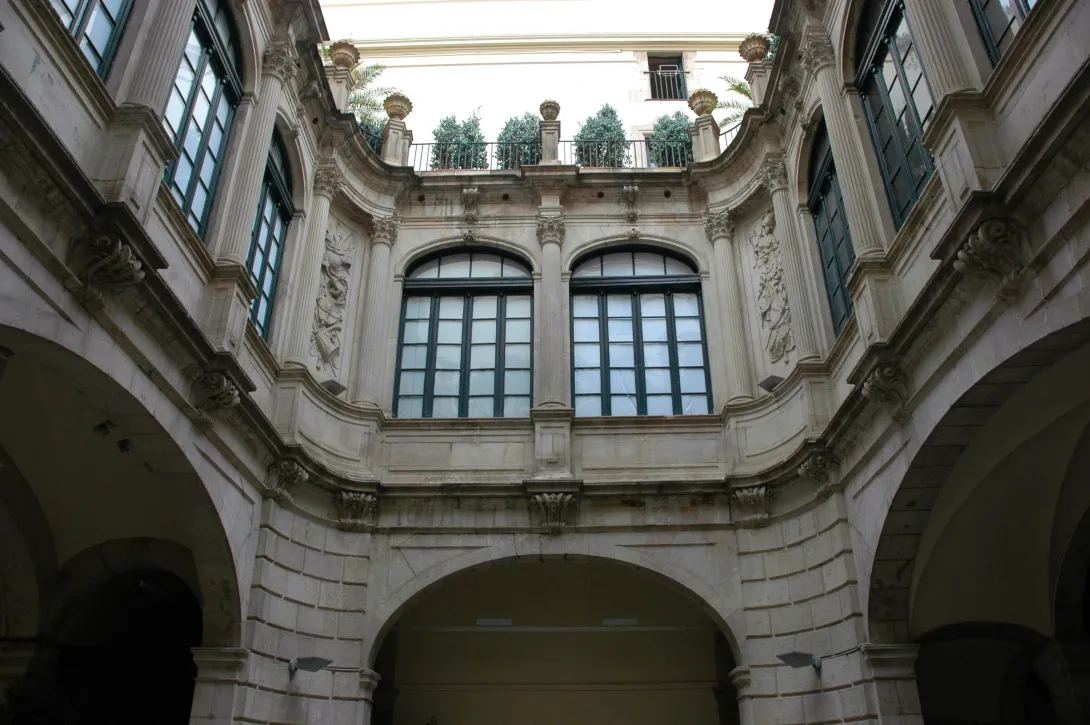
The Inner Courtyard
© Josep Renalias, CC BY-SA 3.0, via Wikimedia Commons
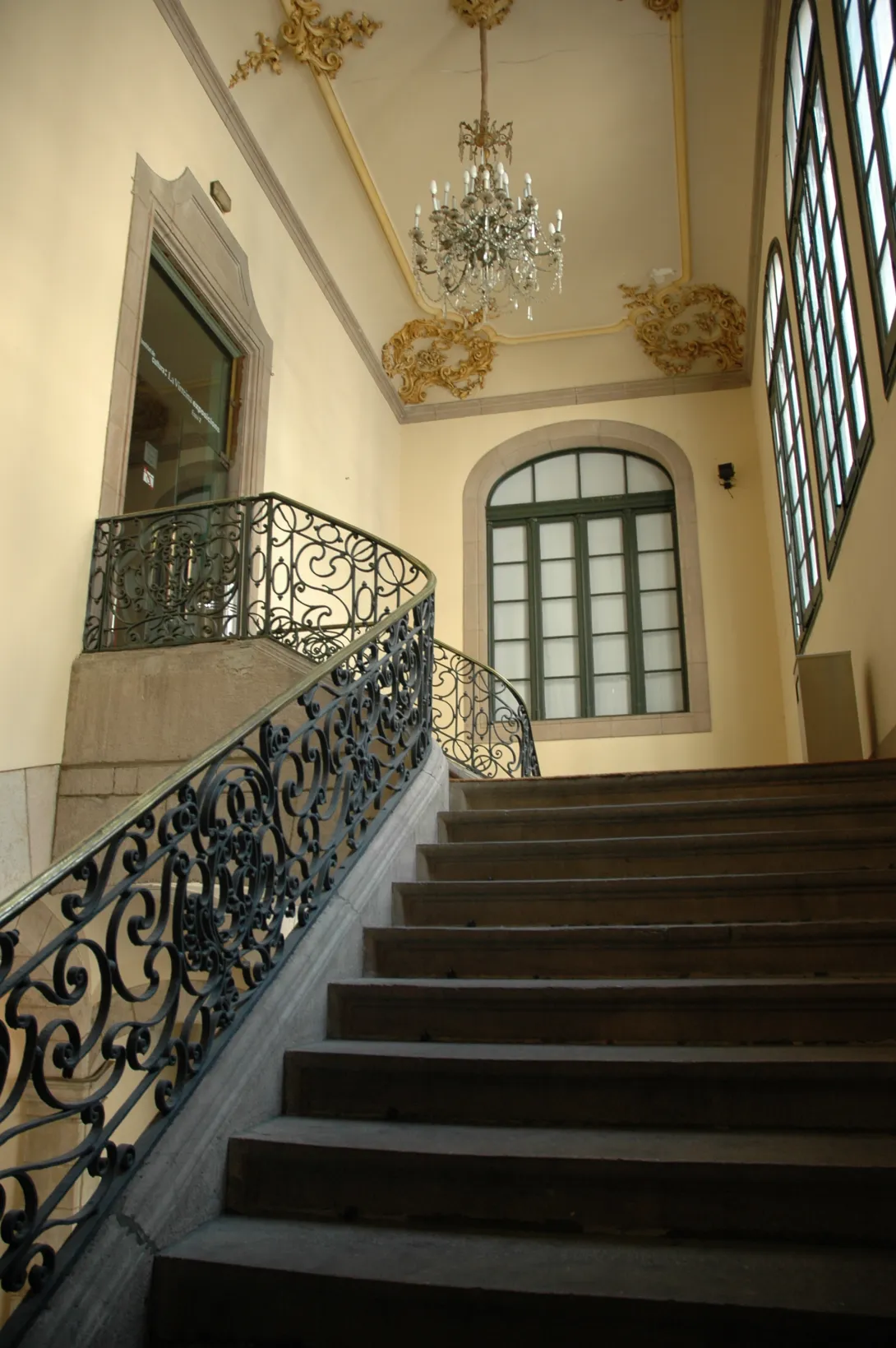
The Staircase and Historical Decorations
© Kippelboy, CC BY-SA 3.0, via Wikimedia Commons
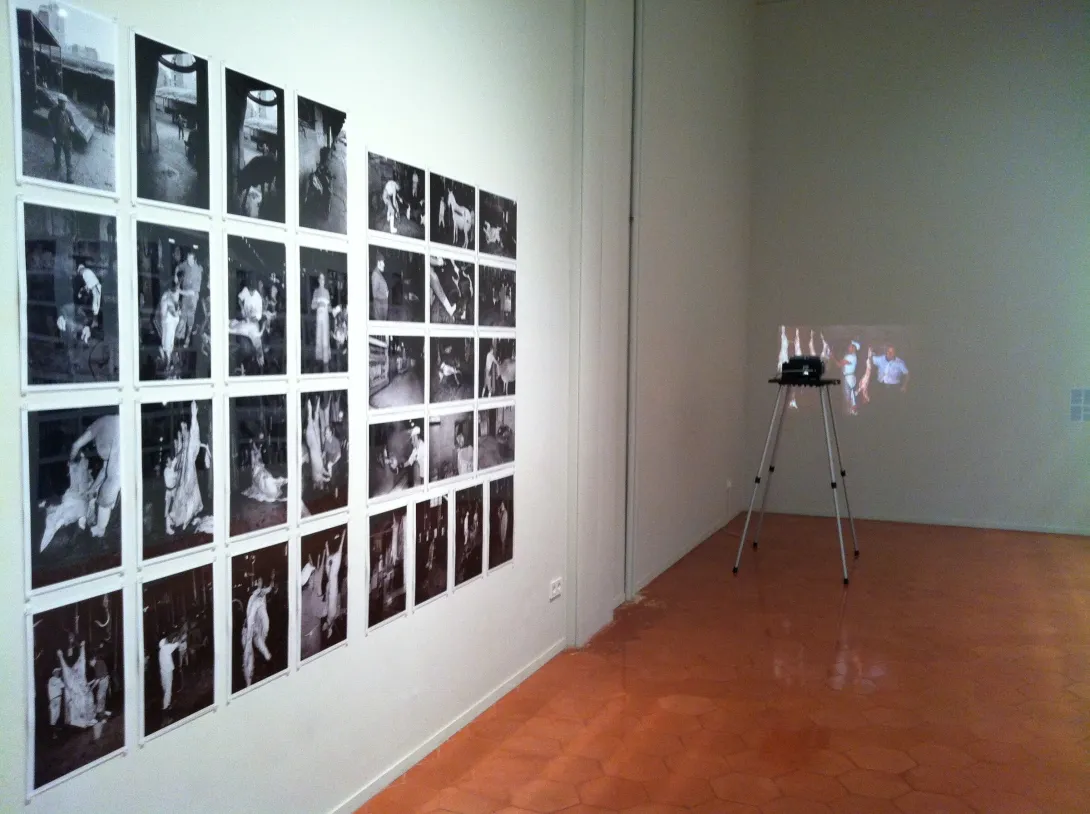
Exhibitions at La Virreina Centre de la Imatge
Step inside even if you haven't planned to see an exhibition: the courtyard and architecture are worth the visit on their own.
If an exhibition catches your interest, plan for about an hour. Otherwise, fifteen to twenty minutes are enough to explore the palace and enjoy a free cultural break on the Ramblas.
Why Enter
Why Visit the Virreina Palace?
The Virreina Palace brings together two very different interests: a historic baroque building and an active contemporary art center.
Its architecture makes it one of the best examples of civil baroque in Barcelona, while its exhibitions offer a chance to explore photography, contemporary creation, visual archives, and critical reflection on the image.
Free admission makes it particularly easy to include in a day spent in the city center.
An 18th-century palace
The History of the Virreina Palace
The palace was commissioned by Manuel d’Amat i de Junyent, Marquis of Castellbell and Viceroy of Peru from 1761 to 1776. Upon his return to Barcelona, he wanted a residence that would reflect his status and wealth.
Construction began in the 1770s and the building was completed by the end of the decade. It was then known as the Casa de la Rambla.
After Manuel d’Amat's death, his widow, Maria Francesca de Fivaller i de Bru, continued to live there. She is the one who gave the building its popular name, Palau de la Virreina, even though she never held the position of vice-reine herself.
Over time, the building has served various purposes before becoming a municipal cultural space.
Art and Image
La Virreina Centre de la Imatge
Today, the palace hosts La Virreina Centre de la Imatge, an exhibition center dedicated to photography, contemporary art, and image cultures.
Its programming mainly features temporary exhibitions, often monographic or thematic, with a strong emphasis on photography, archives, cinema, visual creation, and critical reflection.
Access to the exhibitions is free, allowing you to regularly discover new artists without individual reservations.
On the Rambla
The Virreina Palace and Las Ramblas
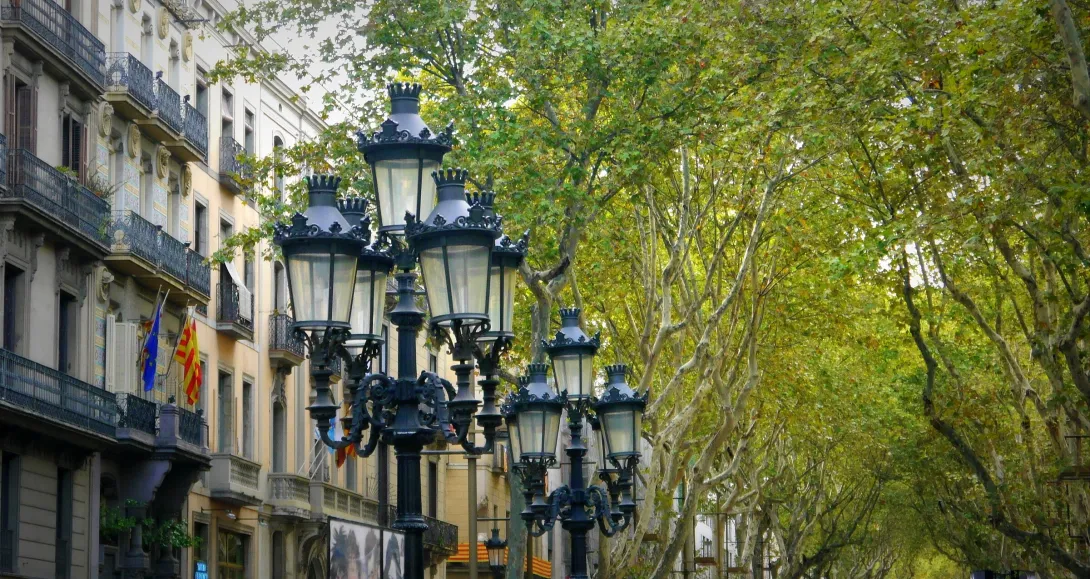
The palace is located directly on Las Ramblas, just a few meters from the Boqueria market.
It easily fits into a stroll between Plaça de Catalunya, the Church of Betlem, the Palace of the Virreina, the Boqueria, the Liceu, and Plaça Reial.
© Ronny Siegel, CC BY 4.0, via Wikimedia Commons
La Rambla
Things to See Nearby
What Other Monuments to Visit?
The Virreina Palace is located in the heart of an area particularly rich in monuments. Discover our complete selection of Barcelona's monuments.

© Enric, CC BY-SA 4.0, via Wikimedia Commons
The Church of Our Lady of Bethlehem
The Church of Our Lady of Bethlehem is located just a few meters away, on the other side of La Rambla. Its baroque façade provides an intriguing religious contrast to the Virreina Palace.

© Barcelona.com
The Grand Theatre of the Liceu
The Gran Teatre del Liceu is located further down the Rambla and is one of the historic opera houses of Barcelona.

© Barcelona.com
The Barcelona Cathedral
The Barcelona Cathedral is just a ten-minute walk through the Gothic Quarter.
FAQ
FAQ: Virreina Palace Barcelona
Yes. Admission to the exhibitions at La Virreina Centre de la Imatge is free.
The exhibitions are generally open from Tuesday to Sunday and on public holidays, from 11 AM to 8 PM. They are closed on Mondays. Some public holidays may have special hours.
The main features to see are the baroque façade, the inner courtyard, the staircase, some historical decorations, and the temporary exhibitions at La Virreina Centre de la Imatge.
Plan for about 30 minutes to 1 hour, depending on the current exhibition. A quick tour of the architecture can be much shorter.
It is located at 99, La Rambla, right next to the Boqueria Market and just a few minutes' walk from the Liceu metro station.