The Beginnings of a Genius
Picasso Museum Barcelona: Tickets, Hours, and Visit
The Picasso Museum in Barcelona is one of the city's most important museums. Housed in several medieval palaces on Montcada Street in the Born district, it offers insight into Picasso's formative years and his deep connection with Barcelona.
Explore Picasso's formative years and his connection with Barcelona in the medieval palaces of Montcada Street.
- Early Works
- Las Meninas Series
- In the Heart of El Born

Picasso Museum Tickets
Book Your Tickets for the Picasso Museum
Choose a guided tour to better understand Picasso's evolution, a private tour for a more personalized experience, the Articket to discover six major art museums, or the Barcelona Card to combine the Picasso Museum and transportation.

Single ticket
Picasso Museum: Skip-the-line ticket
Visit the museum at your own pace
Access the Picasso Museum without a guided tour and freely explore the artist's early works, the Blue Period, and the famous Meninas series.
- Entry to the Picasso Museum
- Access to the permanent collection
- Access to current exhibitions
- Smartphone ticket

Our pick
Picasso Museum: Ticket + Guided Tour
To better understand Picasso's work
Explore the collections of the Picasso Museum with a guide who traces the artist's early works and the major stages of his stylistic evolution.
- Skip-the-line entry to the museum
- 1.5-hour guided tour
- Live guide
- Free time after the tour

Private
Picasso Museum: Private Guided Tour
A personalized tour in a small group
Explore the Picasso Museum with your own guide on a private tour dedicated to the artist's life, journey, and works.
- Entry to the Picasso Museum
- 1.5-hour private tour
- Art specialist guide
- Group of up to 9 people

For art lovers
Articket: pass for six museums
Six museums with skip-the-line access
Visit the Picasso Museum and five other major museums in Barcelona with a pass valid for twelve months, allowing one entry to each museum.
- Picasso Museum + 5 museums
- Skip-the-line access
- Pass valid for 12 months
- One visit per museum
At a Glance
The Picasso Museum of Barcelona at a Glance
| Museum | Picasso Museum of Barcelona |
|---|---|
| Catalan Name | Picasso Museum of Barcelona |
| Address | Carrer de Montcada, 15-23, 08003 Barcelona |
| Neighborhood | El Born / La Ribera |
| Metro | L4 Jaume I |
| Opening | 1963 |
| Collection | Over 4,000 works |
| Official Site | |
| Price | Paid ticket, free at certain times with reservation |
| Tour Type | Self-guided tour, audio guide, or guided tour |
| Recommended Duration | Approximately 1h30 |
| Must-See | Self-Portrait from 1896, Blue Portrait of Jaume Sabartés, Harlequin, Las Meninas |
| Services | Shop, Café Pablo |
| Best Time | Weekday mornings |
Source: museupicassobcn.cat
What to See
The Visit in Detail
The Picasso Museum offers a journey through the early years of the artist: his formative years, his first portraits, the Blue Period, his return to Barcelona in 1917, and the Meninas series.
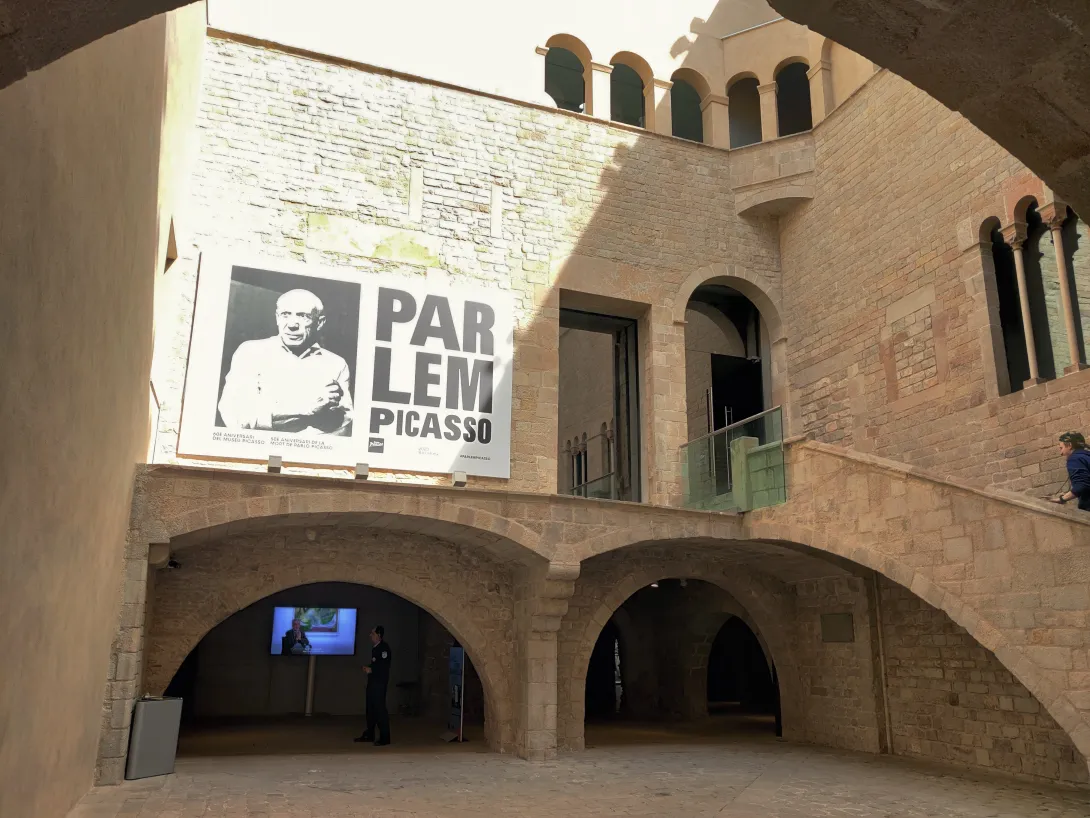
The Main Courtyard of the Museum
The museum occupies several medieval palaces on Montcada Street. The main courtyard serves as a reminder that the visit is also an exploration of old Barcelona, featuring Catalan Gothic architecture and stone staircases.
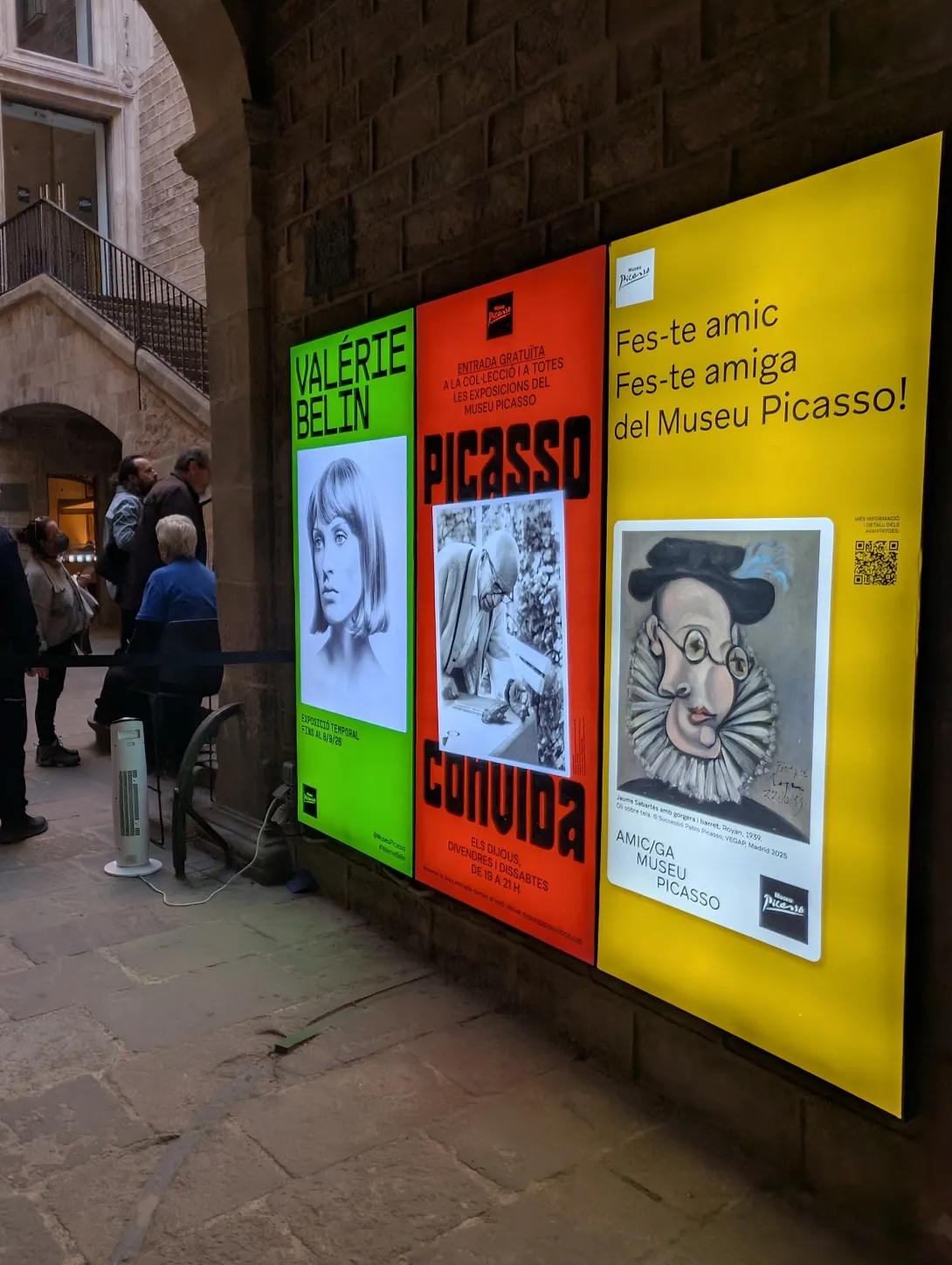
The Museum Entrance
The entrance with exhibition posters highlights the dual purpose of the venue: a large permanent collection dedicated to Picasso and temporary exhibitions that refresh the visit.
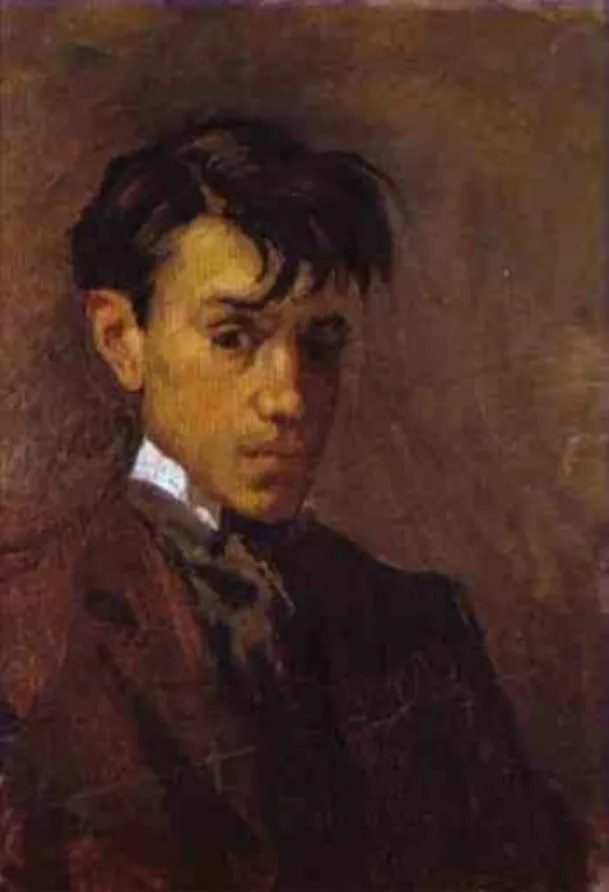
Picasso's Self-Portrait, 1896
This self-portrait shows a teenage Picasso, already confident in his drawing. It highlights the painter's precocity and the significance of his formative years.
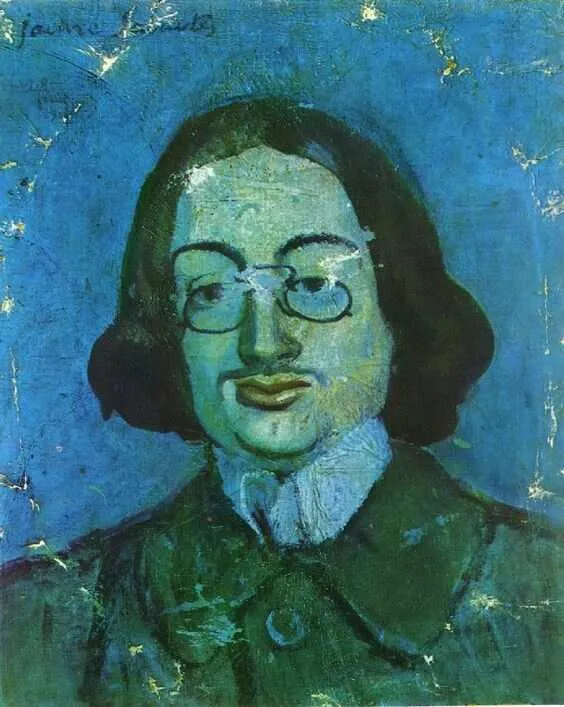
The Blue Portrait of Jaume Sabartés, 1901
This portrait belongs to Picasso's Blue Period. It also highlights the essential role of Jaume Sabartés, a close friend of the artist and a founding figure of the museum.
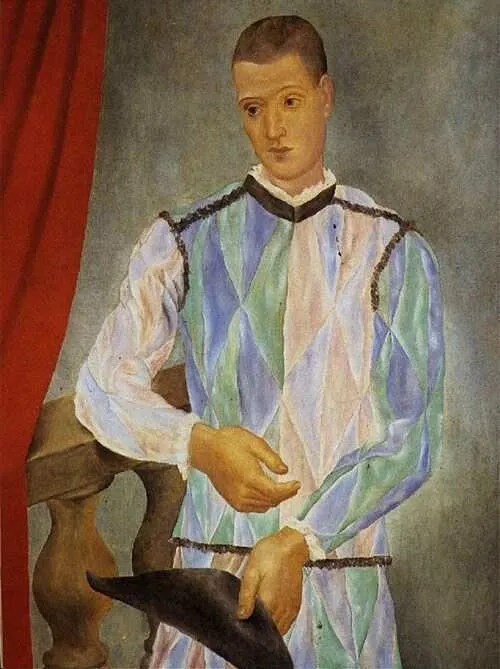
Harlequin, 1917
Painted during Picasso's return to Barcelona in 1917, Harlequin reveals another aspect of his work. The harlequin character would become one of the significant motifs in his universe.
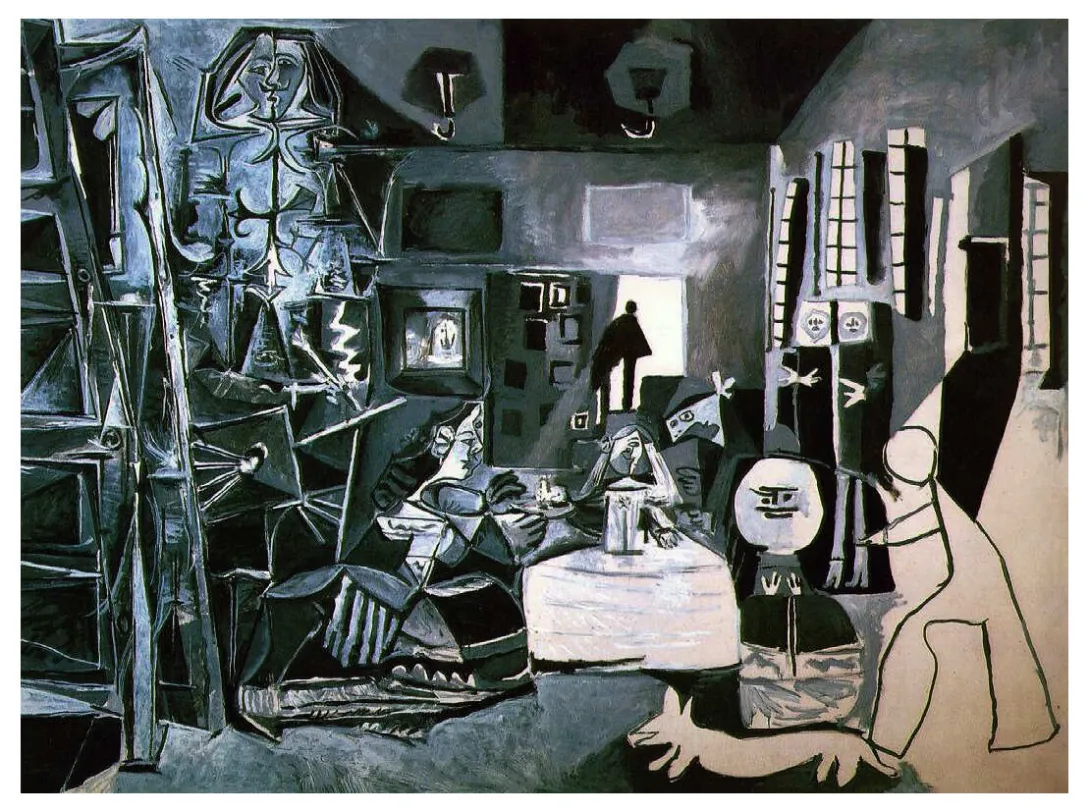
Las Meninas
The Las Meninas series is one of the great treasures of the museum. Picasso reinterprets Velázquez's famous painting in a collection of works exceptionally preserved in Barcelona.
Start the tour with the understanding that this museum is not solely dedicated to the most famous Picasso, the one known for cubism. Its great interest lies in showcasing how Picasso developed, how his style evolved, and how Barcelona influenced his early years.
Allow about 1.5 hours to enjoy the collection without rushing. Weekday mornings are the best time to visit the museum under optimal conditions.
Plan Your Visit
Opening Hours, Visit Duration, and Best Time
The Picasso Museum in Barcelona is open from Tuesday to Sunday. It is closed on Mondays.
From September 29 to March 29, the museum is open from Tuesday to Sunday from 10:00 AM to 7:00 PM.
From March 31 to September 27, the museum is open on Tuesday, Wednesday, and Sunday from 9:00 AM to 8:00 PM; on Thursday, Friday, and Saturday from 9:00 AM to 9:00 PM.
The museum is closed on certain holidays, including January 1, May 1, June 24, and December 25.
Plan for about 1 hour and 30 minutes for your visit. The best time to visit is in the morning on weekdays, especially if you want to avoid groups and enjoy the galleries more peacefully.
Free Entry
When to Visit the Picasso Museum for Free?
The Picasso Museum offers free visit slots, but reservations are still required. Free tickets are generally available a few days before the visit date.
Admission is free on the first Sunday of each month, with a reservation.
Free hours are also offered on certain evenings depending on the season: from October 14 to April 13, on Thursdays from 4:00 PM to 7:00 PM; from April 15 to October 12, on Thursdays, Fridays, and Saturdays from 7:00 PM to 9:00 PM.
The museum also organizes open days, particularly around certain cultural dates or local festivals. It is advisable to check available slots before your visit.
Admission is also free for certain groups, including those under 18, holders of specific credentials, and certain accredited professionals.
Museum passes
The Picasso Museum is included in the Articket and the Barcelona Card
If you plan to visit several museums, two passes cover entry to the Picasso Museum. The Articket combines the Picasso Museum with five other major art museums in a pass valid for 12 months. For a stay of 2 to 5 days, the Barcelona Card also includes the Picasso Museum, many other museums and unlimited public transport.
Tasty Break
The Café Pablo at the Picasso Museum
The Picasso Museum also houses Café Pablo, a bar-restaurant accessible without a museum ticket. Located on Montcada Street, it offers a convenient spot to take a break before or after your visit without having to search for a table elsewhere in the Born.
Chef Romain Fornell's menu blends French cuisine with seasonal Catalan specialties. You can enjoy breakfast, lunch, a coffee, or simply relax with a drink. A lunch menu is available on weekdays, with options suitable for children as well.
Café Pablo features two indoor rooms, a large covered terrace, and an interior courtyard. It's a pleasant option for lunch or a coffee in a more relaxed setting than the bustling streets around the museum.
👉 Good to know: access is independent of the museum, so no ticket is required to visit. You can reserve a table online, which can be handy during lunch hours or on busy days.
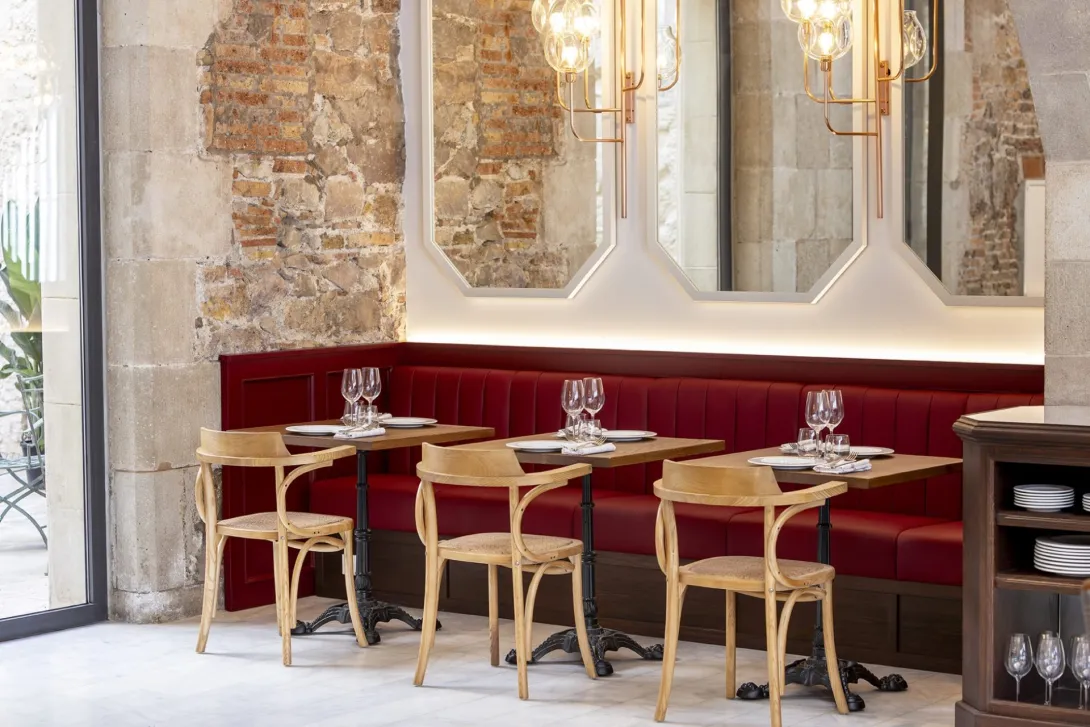
© Café Pablo - Barcelona
Café Pablo
A break in the heart of the Picasso Museum, accessible even without a museum ticket.
Shop
Books, Posters, and Souvenirs Related to Picasso
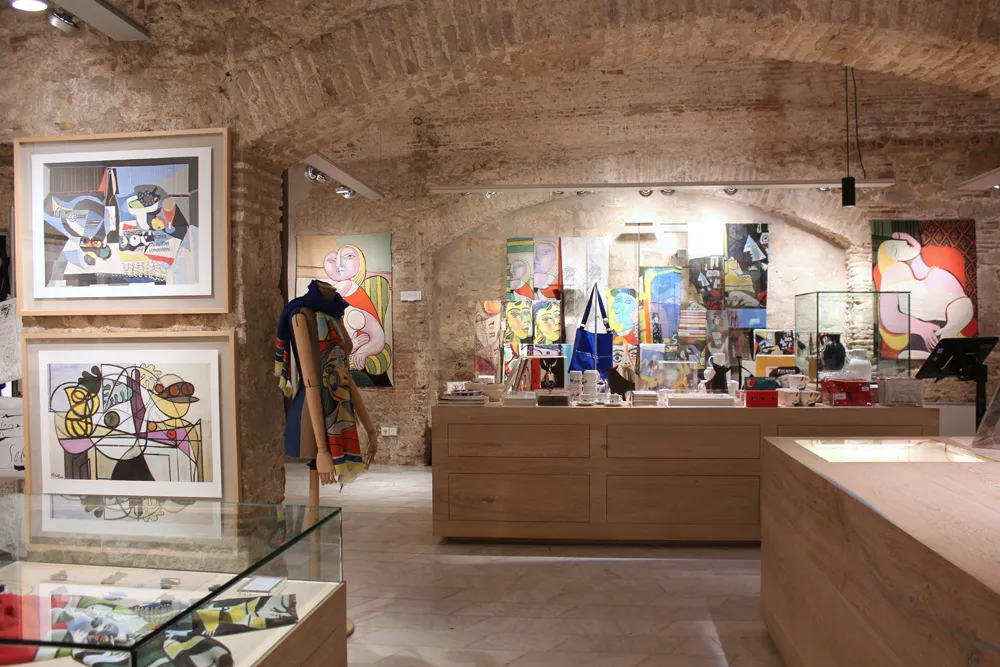
© Museu Picasso Barcelona
The Museum Shop
Books, catalogs, posters, and objects related to Picasso and his years in Barcelona.
The bookstore at the Picasso Museum is managed by Laie, a local brand specializing in museum bookstores. Its appeal lies mainly in its extensive collection dedicated to Picasso: monographs, essays, exhibition catalogs, and publications edited by the museum, as well as works on his connections with Barcelona.
You'll also find books on the history, art, and architecture of the city, along with a children's section and educational materials. As for souvenirs, the selection focuses on the museum's works and their universe: reproductions, cards, stationery, jewelry, and accessories.
To truly enhance your visit, prioritize the Museu Picasso's own publications, especially the Collection Guide, updated in 2026, as well as catalogs dedicated to temporary exhibitions.
Museums & Culture
Barcelona's Must-See Museums
The Picasso Museum is one of Barcelona's major cultural highlights, but the city boasts many other significant museums. Among the must-sees: the MNAC for Catalan art, the Joan Miró Foundation, the MACBA for contemporary art, and the Antoni Tàpies Foundation.
These venues offer the perfect opportunity to extend your visit and explore Barcelona through its artists and collections.

A Bit of History
Picasso and Barcelona: The Genesis of a Genius
Born in 1881 in Malaga, Pablo Ruiz Picasso spent his entire youth in Spain. In 1891, his father was a teacher at the drawing school in La Coruna. From a very young age, Picasso was already practicing drawing and painting.
In 1895, his family moved to Barcelona. The city played a decisive role in his artistic development. Picasso studied at the Llotja School of Fine Arts, discovered Barcelona's artistic circles, and frequented the city's avant-garde venues.
Barcelona is also the city of his first significant works and his initial exhibitions. It was here that the young painter gradually asserted his talent before heading to Paris to become one of the major artists of the 20th century.
The Picasso Museum in Barcelona offers a deep understanding of this foundational period. More than just a museum about Picasso's entire career, it showcases the birth of an artist, his influences, his explorations, and his intimate connection with the city.

MNAC, domaine public
Young Picasso in Barcelona
Barcelona plays a crucial role in the artistic development and early years of the painter.
Collection
The Formative Years of Picasso
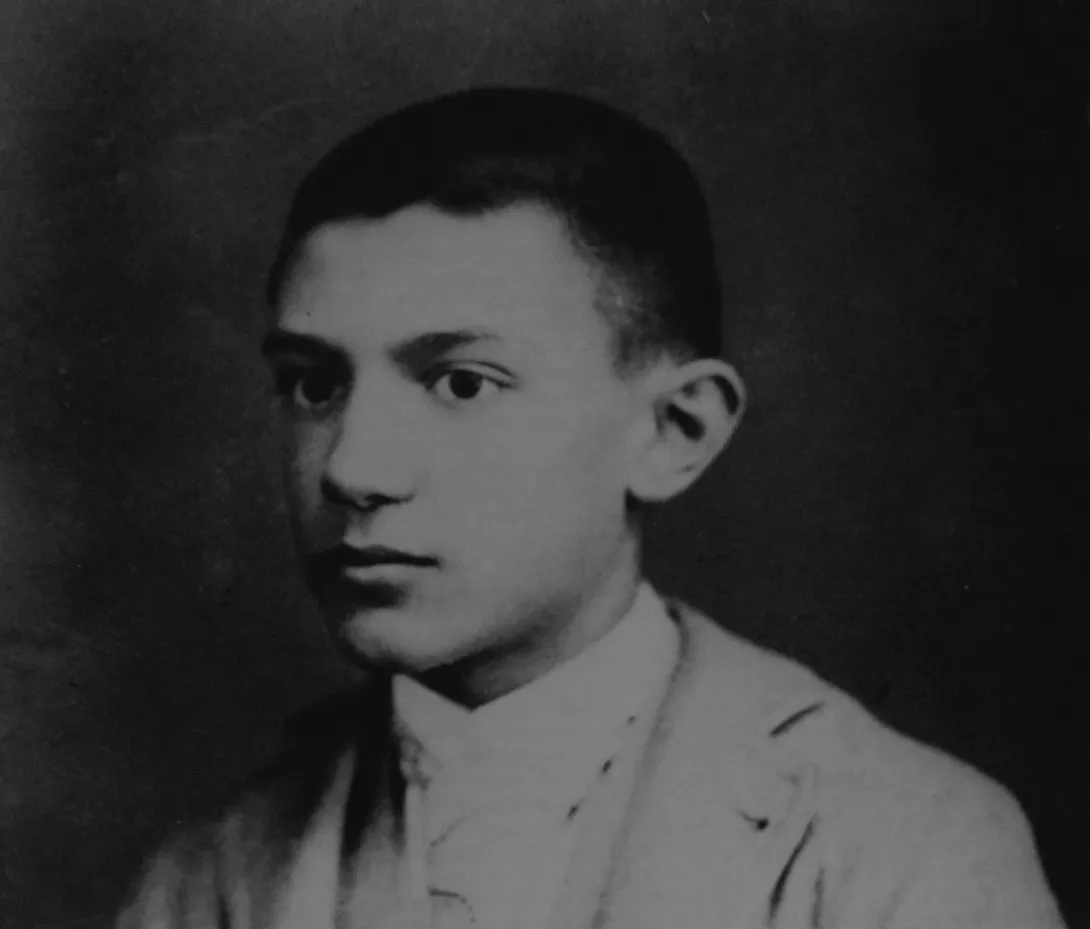
Photographe inconnu, 1896 – domaine public, Wikimedia Commons.
Early Works
An exceptional collection to trace Picasso's evolution before the major turning points in his career.
The Picasso Museum in Barcelona is particularly valuable for understanding the artist's early years. Its collection brings together numerous youthful works, drawings, paintings, portraits, and studies that allow visitors to follow his artistic evolution step by step.
The visit traces Picasso's journey from his early years to his establishment as a modern painter. Visitors discover a very young artist, already technically impressive, then a creator who experiments, changes styles, and gradually prepares for future breakthroughs.
The museum's interest lies precisely in showcasing these intermediate stages. Visitors see Picasso assimilating academic teachings, observing the artists of his time, experimenting with new compositions, and gradually moving away from conventions. This continuity helps to understand how his artistic language was constructed.
The museum also preserves several major works linked to Barcelona and his surroundings, notably the portrait of Jaume Sabartés, his friend and secretary, as well as the *Meninas* series, one of the most famous ensembles in the collection.
Must-Visit Museum
Why is the Picasso Museum Important in Barcelona?
The Picasso Museum is important because it showcases a lesser-known aspect of the artist: his early years. Many visitors associate Picasso with Cubism, Paris, or his most famous works, but Barcelona offers insight into what came before.
The museum narrates the development of Picasso's vision, his academic training, his early portraits, his Spanish influences, and his transition to a more personal style of painting.
Housed in the medieval palaces of Montcada Street, it also connects the history of modern art with the history of Barcelona. It is one of the most valuable museums for understanding the link between the city and the great artists of the 20th century.
Visit Idea
Extend Your Visit to the Picasso Museum
After visiting the Picasso Museum, continue your exploration of Barcelona through its historic neighborhoods, heritage, and contemporary art. El Born, the Gothic Quarter, Santa Maria del Mar, and the Moco Museum can easily be included in the same day.

Lively Neighborhood
El Born

Historic Heart
Gothic Quarter

Catalan Gothic
Basílica de Santa Maria del Mar

Contemporary Art
Museu Moco Barcelona
Getting there
Getting to Picasso Museum
The Picasso Museum is located in El Born, in Barcelona's Ciutat Vella district. It is easy to reach by public transport, on foot from the historic centre or by taxi.
Getting there
Nearby

Museum MEAM
MEAM focuses on contemporary figurative art, offering another approach to the human figure just beside the Picasso Museum.

Fundació Foto Colectania
Foto Colectania is dedicated to photography, adding another visual medium to an art-focused walk through El Born.

Mercat de Santa Caterina
Santa Caterina is a neighbourhood food market, adding a local-life break between museum visits in the old city.

Palau de la Música Catalana
Domènech i Montaner's concert hall adds Catalan Modernisme architecture to a day centred on Picasso and the arts.

Museum of the History of Catalonia
The museum traces Catalonia's history, adding historical context to the Barcelona in which the young Picasso lived.
FAQ
FAQ: Picasso Museum Barcelona
Plan for about 1.5 hours to visit the collection comfortably. Art enthusiasts can easily spend more time there.
Yes, especially if you want to understand Picasso's early years and his connection with Barcelona. The museum focuses less on cubism and more on the artist's formative years.
The museum is located at Carrer de Montcada, 15-23, in the Born district. The most convenient metro station is L4 Jaume I.
Yes, booking is recommended. The museum is very popular, and entry is organized in time slots, especially during tourist seasons.
Yes, entry is free at certain times, on the first Sunday of the month, and during certain open house days. Reservations are still required and free spots are limited.
The early works, the 1896 self-portrait, the Blue Portrait of Jaume Sabartés, Harlequin, and the Las Meninas series are some of the highlights of the visit.
Yes, but the visit can be more engaging with a short and focused approach. The portraits, the colors of the Blue Period, and the Las Meninas series are great entry points.
Yes, the museum houses Café Pablo, a bar-restaurant that is accessible even without a museum ticket.
Yes, the museum has a shop offering books, catalogs, posters, items, and souvenirs related to Picasso, the collection, and the exhibitions.