Barcelona in 1700 under a market hall
El Born, Barcelona History Museum: Tickets, Hours, and Visit
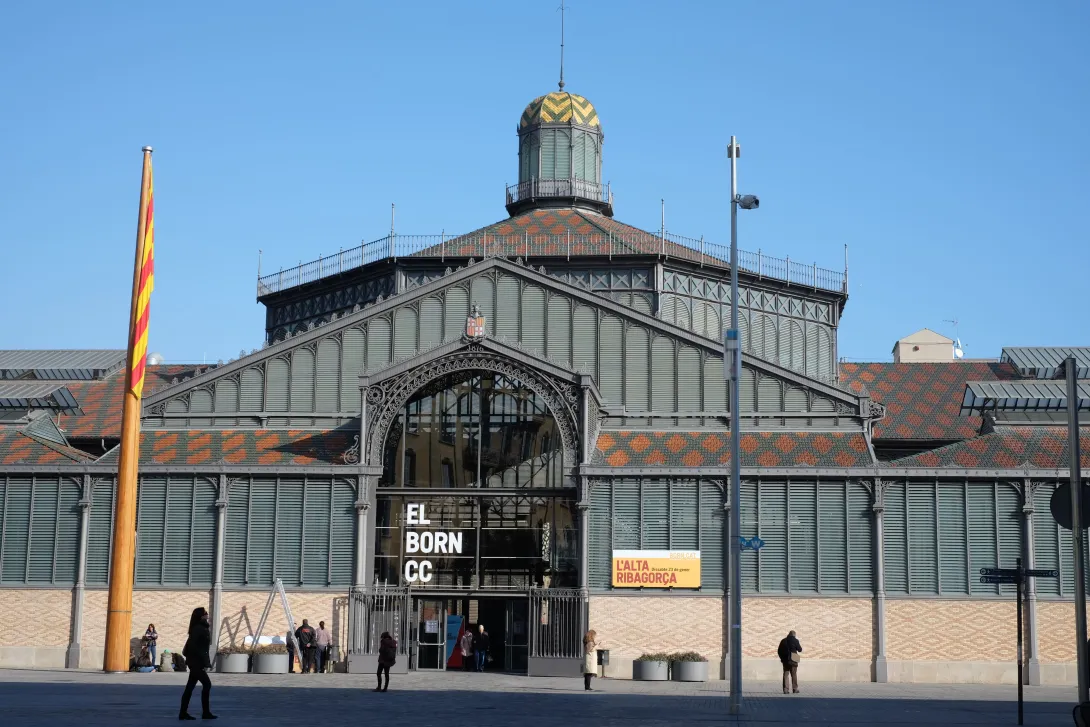
El Born, Museum of the History of Barcelona, is one of the city's most unique spots. Housed in the former Born market, it preserves a vast archaeological site that offers insights into early 18th-century Barcelona, both before and after the War of Succession. Formerly known as El Born Centre de Cultura i Memòria, the site is now part of the Museum of the History of Barcelona network.
A vast archaeological site beneath the old Born Market to understand Barcelona around 1700.
- Remnants from 1700
- Old Born Market
- War of Succession
- MUHBA Network

Barcelona Card
Visit El Born, Barcelona History Museum with the Barcelona Card
Entry to El Born, Barcelona History Museum is included with the Barcelona Card.

Museum and transport pass
Barcelona Card
El Born included, transport covered
- Access to El Born included
- Unlimited public transport
- Many museums included
- Valid for 3, 4, or 5 days
At a Glance
El Born, Barcelona History Museum at a Glance
| Current Name | El Born, Museum of the History of Barcelona |
|---|---|
| Official Catalan Name | El Born. Museum of the History of Barcelona |
| Former Name | El Born Centre de Cultura i Memòria |
| Neighborhood | El Born / La Ribera |
| Building | Old Born Market |
| Type of place | Archaeological site, history museum, exhibition center |
| Visit Duration | Approximately 1 to 1.5 hours |
| Must-See Attractions | The archaeological remains, the market architecture, the exhibitions, the objects discovered during the excavations |
| Period Discussed | Barcelona around 1700, War of Succession, transformation of the La Ribera district |
| Official Site | |
| Good to Know | The former name El Born CC is still well-known, but the site is now part of the Barcelona History Museum. |
Source: www.barcelona.cat
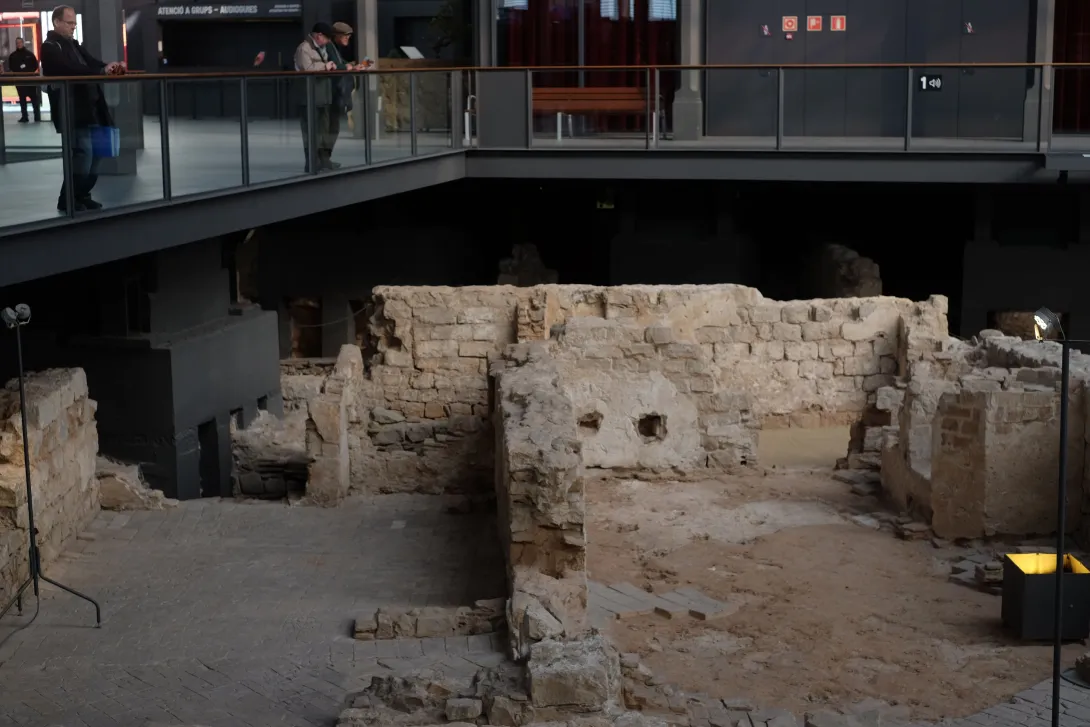
El Born is a must-visit to understand Barcelona beyond its most famous monuments. Here, you discover a vanished city: streets, houses, workshops, everyday objects, and traces of a neighborhood destroyed after 1714.
Tip: take the time to view the remains from the walkways.
Not to be missed
What to See at El Born, Barcelona History Museum?
© Barcelona.com
The Building of the Former Born Market
© Barcelona.com
The Archaeological Remains
© Jordiferrer / Wikimedia Commons, CC BY-SA 3.0
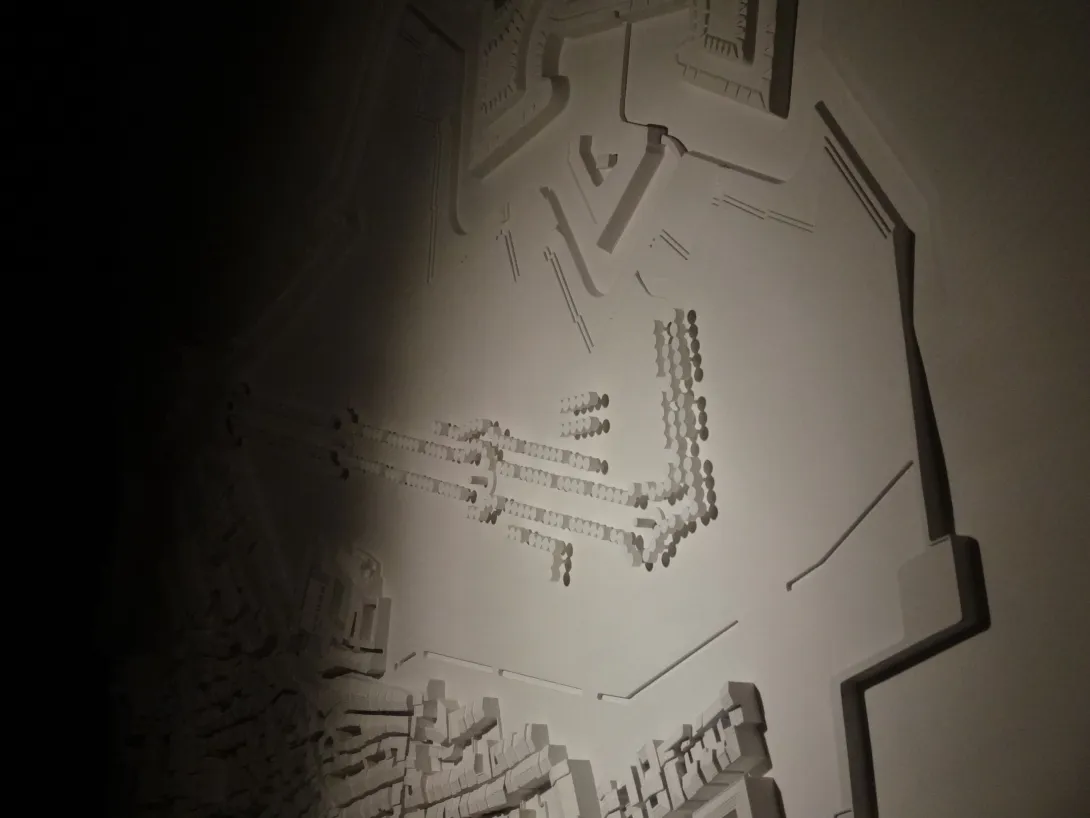
Barcelona Around 1700
© Barcelona.com
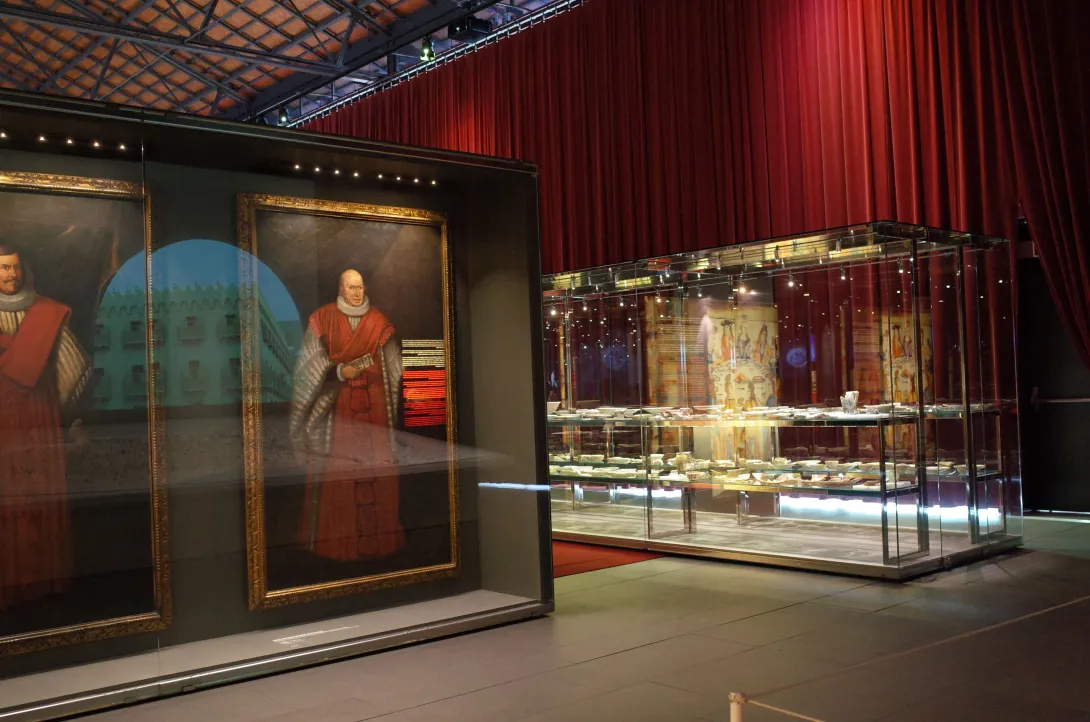
Exhibition Halls
© Barcelona.com
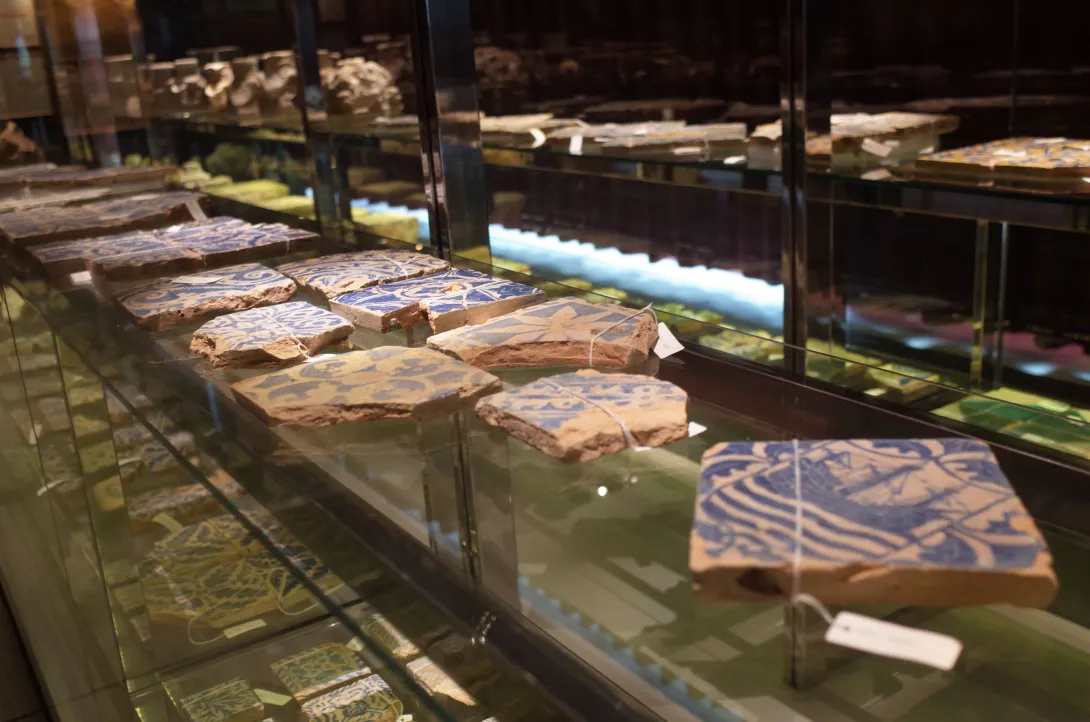
Ceramic Details and Everyday Objects
Practical Information
Opening Hours of El Born, Barcelona History Museum
Generally, the space is open:
- Tuesday to Sunday: 10:00 AM – 8:00 PM
- Monday: closed
Hours may vary depending on the spaces, exhibitions, and guided tours.
Museum Deal
El Born with the La Ribera District
El Born pairs wonderfully with a stroll through the La Ribera neighborhood. After your visit, the streets around Santa Maria del Mar, the Born Market, the Parc de la Ciutadella, and the medieval alleyways take on a new depth.
It also complements a visit to the MUHBA Plaça del Rei.
Museums & Culture
Other Museums to Understand Barcelona
After exploring El Born, travel further back in time at the MUHBA Plaça del Rei and its Roman Barcelona. Discover the sculptures and collector's cabinet at the Frederic Marès Museum, located in the heart of the Gothic Quarter. Alternatively, shift eras with CaixaForum Barcelona and its temporary exhibitions, or visit the Barcelona Design Museum for contemporary creations.
Four complementary visits to understand Barcelona through its history, heritage, design, and cultural life.

FAQ
FAQ: El Born, Museum of the History of Barcelona
The name El Born CC or El Born Centre de Cultura i Memòria remains well-known, but the site is now part of the Barcelona History Museum.
Yes, especially if you love urban history, archaeology, and places that tell the story of Barcelona in a different way.
Plan for about 1 to 1.5 hours.
The building of the former market, the archaeological remains, the traces of streets and houses, the objects discovered during the excavations, and the exhibitions are the main highlights.
The MUHBA Plaça del Rei primarily showcases Roman and medieval Barcelona. El Born, on the other hand, tells the story of Barcelona around 1700.